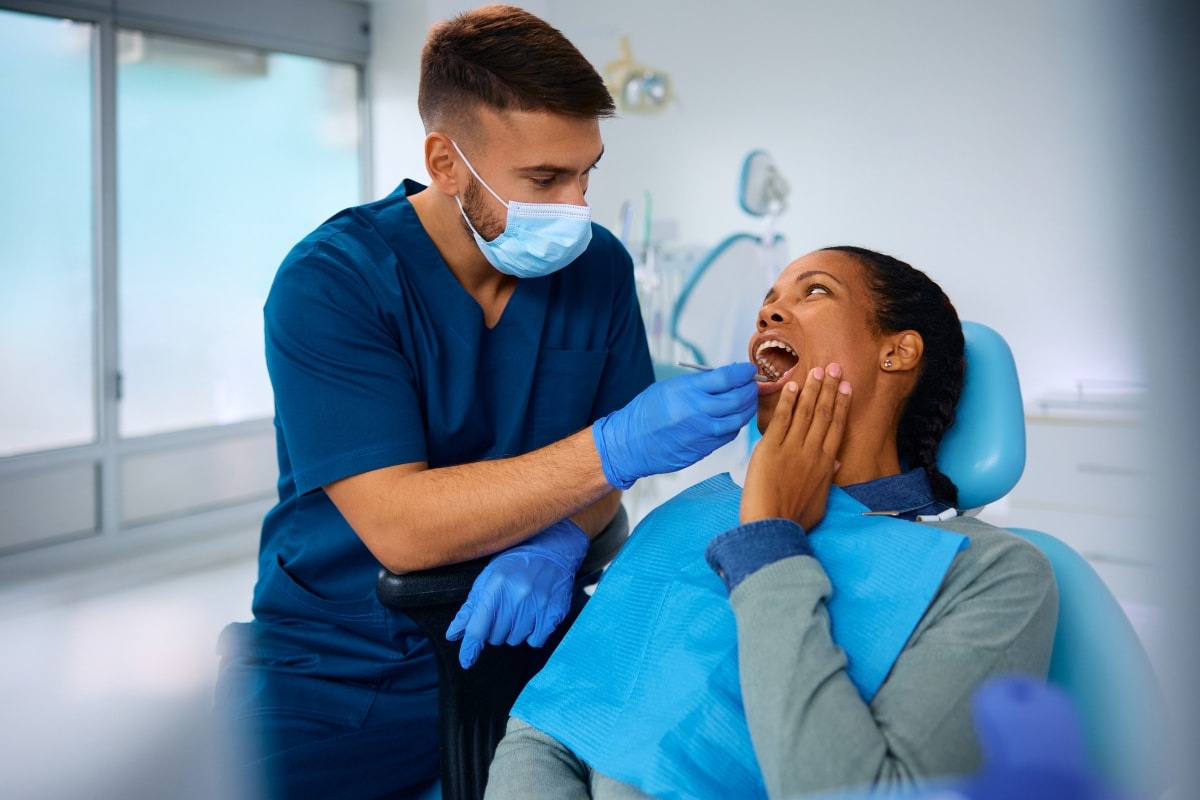
A beautiful smile makes you easy-to-notice. Healthy teeth and gums not only boost confidence, but they also help you enjoy meals, laugh freely, and avoid painful dental problems later on. Most people diligently brush and floss, but even good intentions can be undermined by common habits that actually harm oral health over time.
In this post, we walk through the everyday missteps many people make in their oral care routine. Understanding these can help you better protect your teeth and gums between visits. And if you’ve been wondering whether your home routine is truly working, our team at a local dentist in Waldorf is always here to help you fine‑tune good daily habits with expert guidance.
Here’s a closer look at what to watch out for and how to fix it.
1. Brushing Too Hard (or Not Hard Enough)
One of the biggest misunderstandings about brushing is that rough brushing equals better. Some people think scrubbing vigorously will remove more plaque, but this can erode enamel and irritate gums.
Better approach:
- Use a soft‑bristled brush.
- Hold your toothbrush at a gentle angle and use light pressure.
- Aim for small, circular motions instead of back‑and‑forth sawing.
Brushing too lightly can also miss plaque, so aim for effective but gentle cleaning.
2. Skipping Flossing or Doing It Incorrectly
Flossing daily is crucial, yet many skip it because it’s time‑consuming or awkward. Others floss, but too aggressively, snapping the floss into the gums and causing bleeding.
Try this instead:
- Use about 18 inches of floss.
- Gently slide it between teeth and wrap it in a “C” shape around each side.
- Move the floss up and down.
Bleeding after flossing can be normal at first—but if it persists, speak with your dental team.
3. Rushing Through Brushing
A leading dentist in Waldorf recommends brushing for two full minutes, twice a day. Most people fall short—many brush for 30 to 45 seconds.
To make two minutes feel easier:
- Use a timer or play a short playlist.
- Break it into 30‑second segments for each quadrant of your mouth.
- Consider an electric toothbrush with a built‑in timer.
Rushing reduces plaque removal, leaving teeth vulnerable to decay.
4. Not Cleaning the Tongue
Your tongue traps bacteria that contribute to bad breath and plaque buildup. Yet it’s often overlooked.
Simple fix:
Use a tongue scraper or gently brush your tongue each time you brush your teeth. It only adds a few seconds but makes a big difference in freshness.
5. Holding Your Toothbrush Wrong
The way you hold your toothbrush influences cleaning effectiveness. Gripping it too tightly or as a hammer limits reach to tricky areas.
Pro tip:
Hold the brush more like a pencil. This gives you better control and lets you clean more thoroughly without overdoing pressure.
6. Using Worn‑Out Tools
Toothbrushes don’t last forever. Frayed bristles can’t clean effectively.
Replace your toothbrush or brush head every 3 months, or sooner if bristles look worn. If you’ve been sick, swap it out once you recover.
7. Choosing the Wrong Toothpaste
Not all toothpastes serve the same purpose. Some focus on whitening, others on sensitivity. Fluoride is a key ingredient that strengthens enamel and helps prevent cavities.
Look for toothpaste that:
- Contains fluoride
- Has the ADA Seal of Acceptance
- Matches your oral health needs (e.g., sensitivity, gum health)
8. Ignoring Gum Health
Many people focus only on teeth, overlooking the gums. Healthy gums are essential to a strong smile—they protect tooth roots and bone.
Signs your gums need attention:
- Redness
- Tenderness
- Bleeding while brushing or flossing
If you notice these, make time for a professional evaluation and discuss your routine with them.
9. Forgetting to Clean Around Dental Work
Bridges, crowns, braces, and implants all require special care. Plaque can hide around your teeth, leading to decay or inflammation.
Ask your dental provider about:
- Special floss
- Interdental brushes
- Water flossers
These tools help you clean where a regular brush can’t reach.
10. Not Drinking Enough Water
Water helps you remove accumulated debris and balance the acids in your mouth. Many people don’t drink enough, especially between meals.
Keep water handy:
- After snacks
- After sugary drinks
- Throughout the day
This simple habit supports saliva function and overall oral health.
11. Constant Snacking or Sipping Sugary Drinks
Every time you eat or drink something sweet or acidic, your teeth undergo acid attacks. Constant grazing or sipping throughout the day doesn’t give your mouth a chance to recover.
Better habits:
- Enjoy sweets with meals rather than all day
- Rinse with water after sugary drinks
- Opt for water instead of soda or sweetened beverages
12. Waiting Too Long Between Checkups
A consistent home routine is important, but it doesn’t replace professional care. Regular exams and cleanings catch small issues before they become big problems.
Whether you’ve been diligent at home or struggling to keep a routine, a visit with a dentist in Waldorf helps identify early signs of trouble and keeps you on track.
13. Assuming Mouthwash Is a Substitute for Brushing
Mouthwash is helpful, but it’s an addition, not a replacement, for brushing and flossing. Some rinses help freshen breath, others target gingivitis or strengthen enamel.
Use it right:
- After brushing and flossing
- As part of your twice‑daily routine
- According to product instructions
Small changes at home prevent big problems later. If you’re unsure whether your current routine is truly protecting your smile, our team at TriDental in Waldorf can help. We provide personalized guidance, professional cleanings, and a welcoming atmosphere to make every visit comfortable.
Book an appointment today and take the mystery out of your oral hygiene routine.
People Also Ask
Can I brush less often if my gums don’t bleed?
Bleeding doesn’t always equal disease—but it can be a sign of gum irritation. Brushing twice daily and flossing once helps keep plaque under control. Persistent bleeding warrants a professional checkup.
Will an electric toothbrush make a difference?
Many patients find that electric brushes help them reach plaque more effectively, especially around molars and gumlines. They also often include timers, which help ensure proper brushing duration.
Is fluoride safe for daily use?
Yes—fluoride is widely recommended for strengthening enamel and reducing cavities. Most toothpastes and some rinses contain it, and your dental professional can suggest the best option for you.
What if I’m unsure I’m doing it right?
That’s normal—many people assume they do more than they do. Schedule a hygiene evaluation where a trained hygienist can demonstrate proper technique and tailor advice to your specific needs.