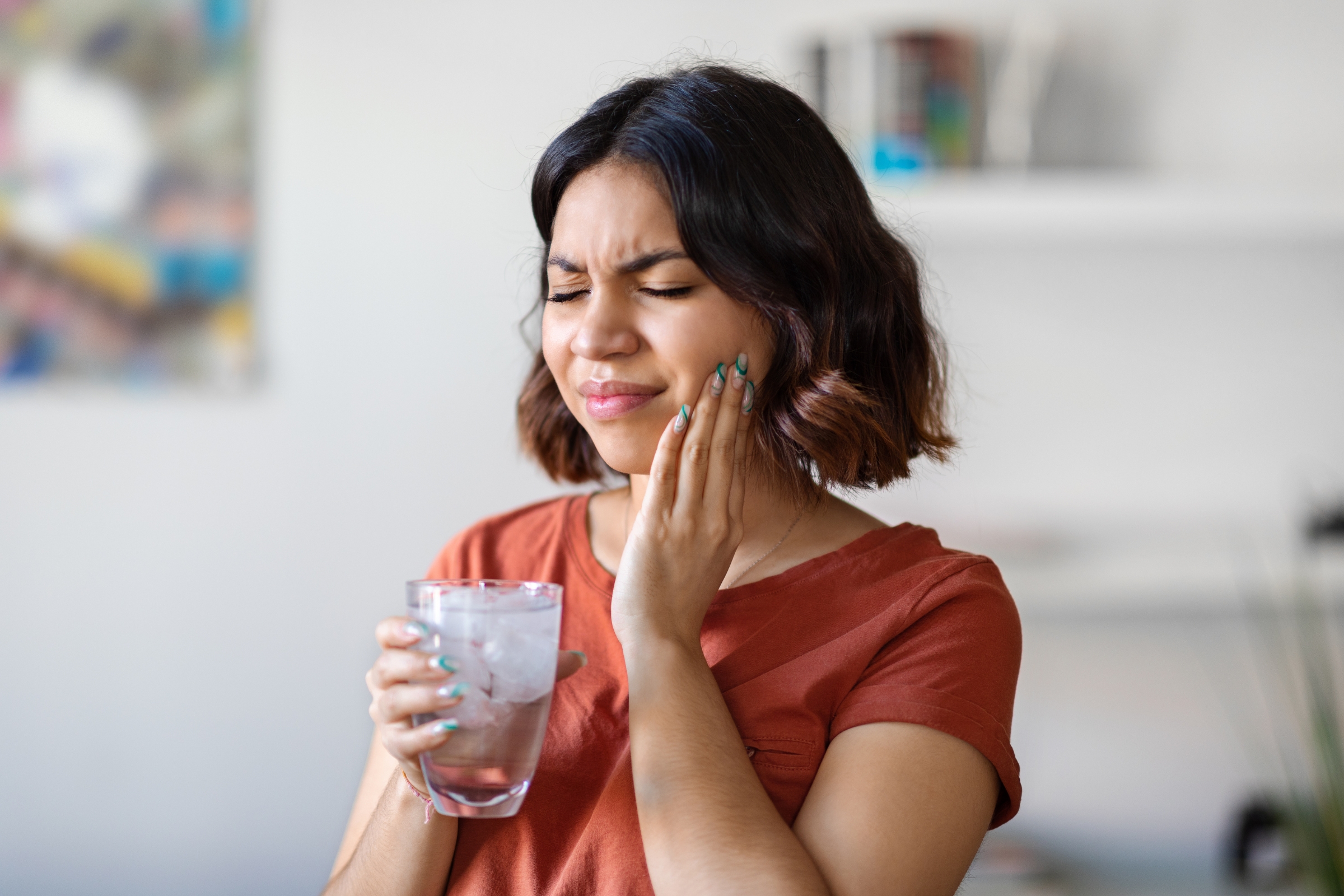
Dental pain rarely waits for a convenient time. It can start during dinner, in the middle of a workday, or late at night when most offices are closed. A chipped tooth from biting into something hard or a sudden throbbing ache can leave you anxious and unsure what to do next.
The good news? There are simple steps you can take at home to stay comfortable and protect your teeth before you’re seen by a professional. If you’re searching for an Emergency Dentist Waldorf, knowing how to manage the situation in the first few hours can make a real difference in saving your tooth and reducing complications.
This guide walks you through what to do — and what to avoid — until you can get proper care.
Why Acting Quickly Matters
Dental emergencies are not just about pain. They can involve:
- Infection
- Nerve damage
- Bleeding
- Swelling
- Broken or displaced teeth
Delaying treatment may turn a minor issue into something more serious. Quick action helps:
- Reduce inflammation
- Prevent infection from spreading
- Increase the chance of saving a damaged tooth
- Lower long-term treatment costs
If you live in Waldorf or nearby areas like St. Charles, White Plains, or La Plata, quick access to professional care is important — especially during busy school mornings or after-work hours.
What to Do for Severe Tooth Pain
Tooth pain is often caused by decay, infection, cracked teeth, or gum problems. Here’s how to manage it safely at home.
Rinse Gently
Use warm salt water:
- Mix ½ teaspoon of salt in a glass of warm water
- Swish gently for 30 seconds
- Spit it out
This helps reduce bacteria and soothe irritated tissues.
Use a Cold Compress
If there is swelling:
- Apply a cold pack to the outside of your cheek
- Keep it on for 15 minutes
- Remove for 15 minutes
- Repeat as needed
Cold reduces inflammation and numbs discomfort.
Over-the-Counter Pain Relief
You may take:
- Ibuprofen
- Acetaminophen
Follow dosage instructions carefully. Avoid placing aspirin directly on the gum — this can burn the tissue.
Avoid Triggers
Stay away from:
- Very hot foods
- Ice-cold drinks
- Sugary snacks
- Chewing on the painful side
If pain persists beyond a few hours or worsens, contact an Emergency Dentist Waldorf residents trust for same-day care.
What to Do If You Break a Tooth
A chipped or broken tooth can happen while eating, playing sports at Capital Clubhouse, or even slipping during icy winter mornings in Waldorf.
Here’s what to do immediately.
Save Any Pieces
If part of the tooth breaks off:
- Rinse it gently with water
- Store it in milk or saline solution
- Bring it with you to your appointment
Sometimes it can be reattached.
Rinse Your Mouth
Use warm water to clean the area and remove debris.
Stop Bleeding
If there’s bleeding:
- Apply clean gauze
- Bite down gently for 10 minutes
If bleeding continues beyond 15 minutes, seek urgent care.
Cover Sharp Edges
Broken teeth may have sharp edges that irritate your tongue or cheek. You can:
- Use dental wax
- Place temporary dental cement (available at local pharmacies in Waldorf)
Avoid chewing on that side.
Knocked-Out Tooth — Act Fast
This is one of the most urgent dental situations.
If a permanent tooth is completely knocked out:
- Pick it up by the crown (top), not the root.
- Rinse gently if dirty — do not scrub.
- Try placing it back into the socket if possible.
- If not, store it in milk or saliva.
- Seek care immediately — ideally within 30–60 minutes.
Time is critical. Fast action greatly increases the chance of saving the tooth.
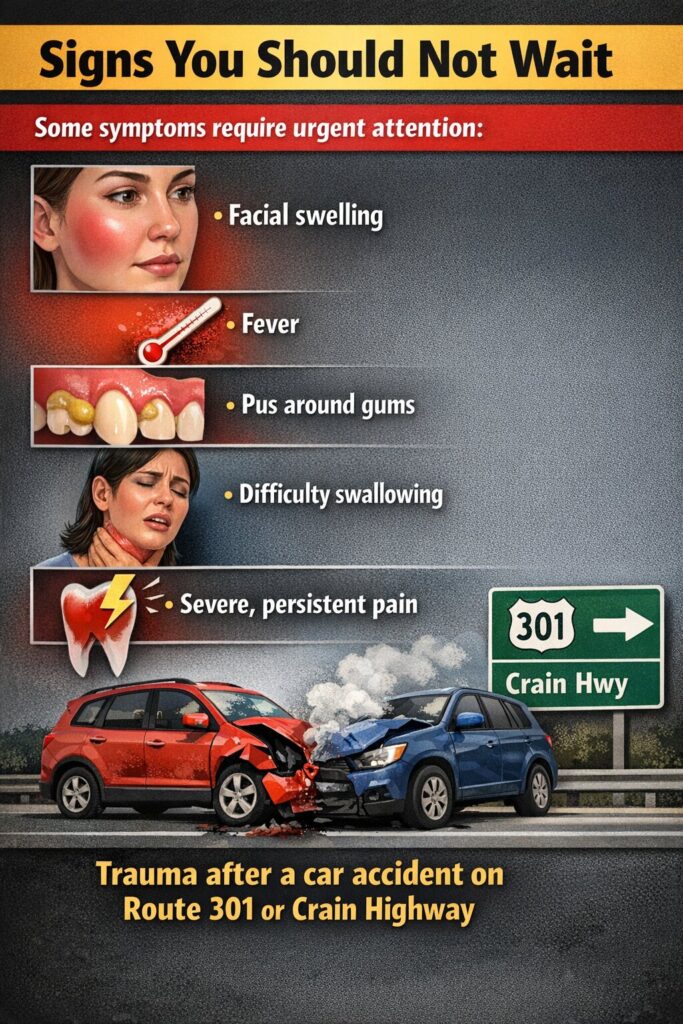
Signs You Should Not Wait
Some symptoms require urgent attention:
- Facial swelling
- Fever
- Pus around gums
- Difficulty swallowing
- Severe, persistent pain
- Trauma after a car accident on Route 301 or Crain Highway
These could indicate a spreading infection. Contact a professional immediately.
What NOT to Do
Sometimes good intentions make things worse. Avoid:
- Ignoring pain and hoping it goes away
- Using super glue on broken teeth
- Applying heat to a swollen face
- Using sharp objects to “clean” inside a broken tooth
- Taking antibiotics without prescription
Home remedies are temporary measures — not permanent solutions.
Preventing Dental Emergencies
While accidents happen, prevention helps reduce risk.
Wear Mouthguards
Especially for:
- Youth sports leagues
- High school athletics
- Weekend recreational games
Avoid Chewing Hard Objects
Such as:
- Ice
- Hard candy
- Pens
- Bottle caps
Maintain Regular Checkups
Routine exams help catch:
- Cracks
- Decay
- Failing fillings
- Gum disease
Preventive care often avoids emergency situations altogether.
Source: Teeth Talk Girl
Common Questions from Local Patients
How do I know if my tooth pain is serious?
If pain lasts more than a day, keeps you awake at night, or causes swelling, it needs professional evaluation.
Can a broken tooth heal on its own?
No. Enamel does not regenerate. Even small chips should be examined to prevent further damage.
Is swelling always an infection?
Not always — but it’s a strong warning sign. Especially if accompanied by fever or tenderness.
Should I go to the ER for dental pain?
Hospital emergency rooms can manage pain and infection temporarily, but they usually do not perform definitive dental treatment. Seeing a dental professional directly is often faster and more effective.
What if I’m nervous about emergency treatment?
Modern dentistry focuses on comfort. Options like local anesthesia and sedation make procedures far more comfortable than many people expect.
Local Care When You Need It Most
Living in Waldorf often means packed days — commuting into Washington, D.C., managing school drop-offs, and running errands at St. Charles Towne Center. When dental pain strikes, it can quickly disrupt your routine and make even simple tasks feel overwhelming. Acting quickly and calmly, following basic home care steps, and seeking prompt professional treatment can make all the difference in protecting both your smile and your overall health.
If you’re experiencing sudden tooth pain or a broken tooth, don’t delay care. The team at Tri Dental Waldorf is ready to restore your comfort and function as quickly as possible. Book your appointment today and get back to your busy life with confidence.