If you are missing one or more teeth, you have probably asked yourself: is a dental bridge right for your smile? Many patients in Waldorf, MD face this same question every day. A dental bridge can restore your ability to chew, speak, and smile with confidence. But it is not the right solution for every patient — and knowing the difference matters. Dr. Ajay Reddy at TriDental Waldorf helps patients understand their options before making any decision.
What Is a Dental Bridge and How Does It Work?
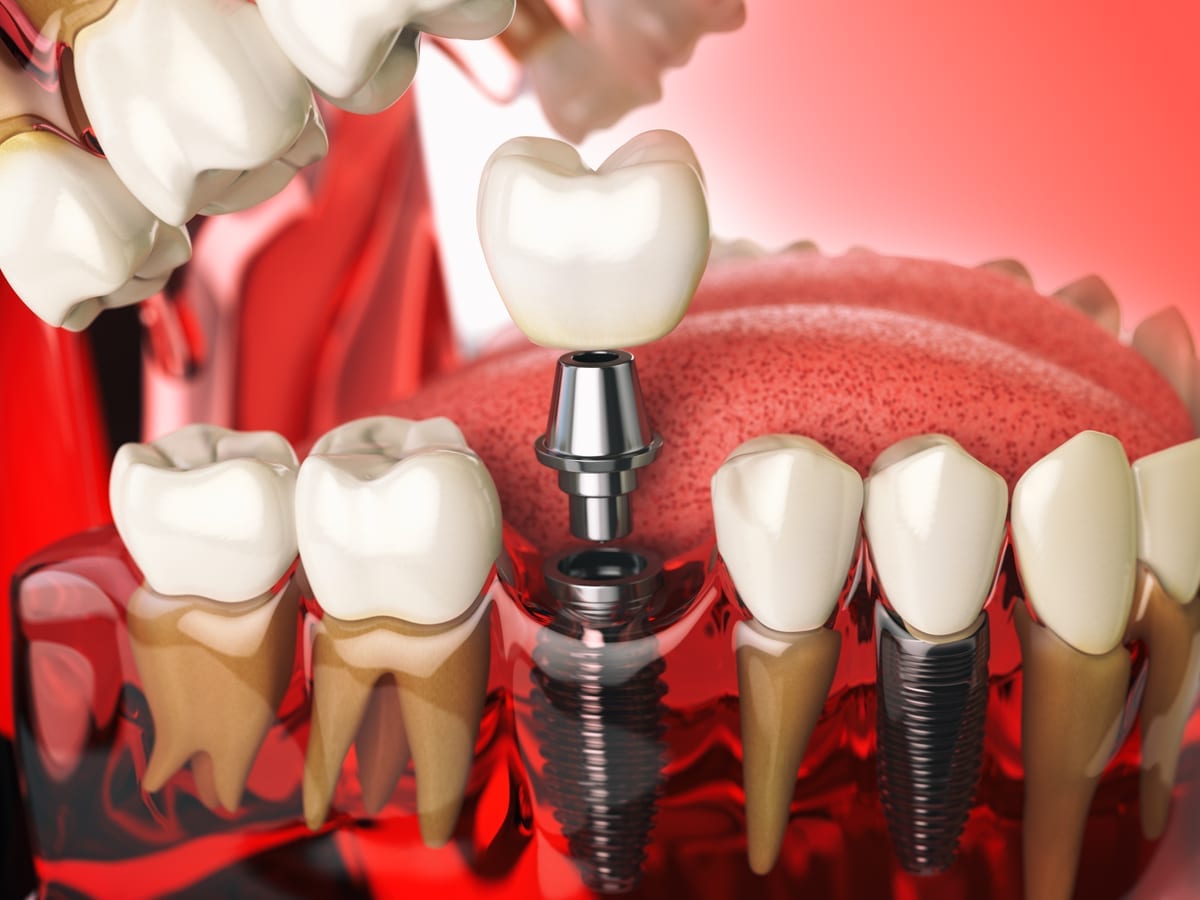
A dental bridge is a fixed restoration that replaces one or more missing teeth. It consists of an artificial tooth — called a pontic — held in place by crowns on adjacent teeth. Those neighboring teeth, called abutment teeth, anchor the bridge firmly in your mouth. Once placed, a bridge looks and functions much like your natural teeth.
Bridges are custom-made to match the color and shape of your existing smile. They are permanently cemented, so you do not remove them like dentures. Most patients adjust to their bridge quickly and comfortably. The result is a seamless, natural-looking restoration that fills the gap left by a missing tooth.
Who Is a Good Candidate for a Dental Bridge in Waldorf?
Not every patient with a missing tooth is automatically a candidate for a bridge. Several factors must be evaluated before Dr. Reddy recommends this treatment. The most important factor is the health of your surrounding teeth. Your abutment teeth must be strong enough to support the bridge without risk of damage.
You may be a strong candidate for a dental bridge if you meet these criteria:
- You are missing one to three consecutive teeth in a row
- Your neighboring teeth are healthy and structurally sound
- Your gum tissue is free from active infection or disease
- Your jawbone has adequate density to support surrounding teeth
- You are committed to regular oral hygiene and professional cleanings
Patients with significant bone loss or widespread gum disease may need treatment first. Those with unhealthy neighboring teeth might benefit more from dental implants instead. A thorough evaluation at TriDental Waldorf helps determine which path is right for you.
What Does the Dental Bridge Evaluation Involve?
Your candidacy evaluation is a detailed, multi-step process. Dr. Reddy does not take a one-size-fits-all approach. He reviews your dental and medical history carefully before recommending any treatment. This ensures your final plan is safe, effective, and personalized to your smile.
During your evaluation, you can expect the following steps:
- Comprehensive oral exam: Dr. Reddy checks the health of your gums, remaining teeth, and bite.
- Digital X-rays: Imaging reveals bone levels and the condition of tooth roots.
- Abutment tooth assessment: Your neighboring teeth are evaluated for structural integrity.
- Gum health screening: Any signs of gum disease are identified and addressed first.
- Treatment discussion: Dr. Reddy reviews all your options and explains the pros and cons of each.
This evaluation may also involve a conversation about your lifestyle and dental goals. If you grind your teeth, for example, that affects which restoration type suits you best. Transparency and patient education are central to care at TriDental Waldorf.
Factors That Influence Whether a Bridge Is the Best Approach
Several clinical and personal factors guide Dr. Reddy’s recommendation. Understanding these helps you feel more informed going into your appointment. Every mouth is different, and the best treatment reflects that uniqueness. Here are the key factors that shape the decision:
- Number of missing teeth: Bridges work best for one to three consecutive gaps.
- Location in the mouth: Front teeth and back teeth have different load demands.
- Condition of adjacent teeth: Healthy neighbors support a bridge better than weakened ones.
- Gum and bone health: Active disease must be treated before any restoration is placed.
- Patient preference: Some patients prefer a fixed solution over removable options.
- Budget and timeline: Bridges often require fewer visits than implants.
In some cases, a patient may have previously received a Root Canal Therapy on a tooth being considered as an abutment. This is an important detail for Dr. Reddy to know, as it affects the structural planning of the bridge. Nothing is overlooked during the evaluation process.
At TriDental Waldorf, we also provide comprehensive Family Dentistry services. This means patients of all ages can access coordinated, consistent care under one roof. Continuity of care plays a meaningful role in long-term smile health.
How to Prepare for Your Bridge Consultation in Waldorf
Coming prepared to your consultation makes the process smoother and more productive. There are a few simple steps you can take beforehand. Knowing what to expect also reduces anxiety for patients who feel nervous about dental visits.
Here is how to prepare:
- Write down any symptoms, concerns, or questions you want to discuss
- Note any medications or supplements you currently take
- Bring any recent dental records or X-rays if you have them
- Be ready to describe how long the tooth has been missing
Being open and honest during your consultation helps Dr. Reddy give you the most accurate recommendation. There are no wrong answers — only honest ones that lead to better outcomes. Our team at TriDental Waldorf creates a judgment-free environment for every patient.
Is a Dental Bridge Worth It?
For the right candidate, a dental bridge offers meaningful benefits. It restores your ability to chew and speak without discomfort. It also prevents neighboring teeth from shifting into the empty space over time. That shifting can lead to bite problems and additional tooth loss if left uncorrected.
Bridges are also durable and long-lasting when properly maintained. With good oral hygiene and regular checkups, many bridges last 10 to 15 years or more. The investment in your smile today can prevent far more costly problems in the future. For Waldorf patients seeking a reliable, fixed tooth replacement, a bridge is often an excellent choice.
Conclusion: Take the First Step Toward Your Restored Smile
If you have been wondering whether a dental bridge is right for your smile, the best next step is a personalized evaluation. Dr. Ajay Reddy and the team at TriDental Waldorf are here to guide you through every step of the process. We believe informed patients make the best decisions for their long-term oral health. You deserve a smile that looks great, functions well, and lasts. Book Now to schedule your appointment with our team.
Frequently Asked Questions
How long does getting a dental bridge take?
Most dental bridge treatments require two to three appointments. The first visit involves preparing the abutment teeth and taking impressions. A temporary bridge is placed while your custom bridge is made. The final bridge is cemented at your follow-up appointment.
Is a dental bridge painful to get?
The procedure is performed under local anesthesia, so you should not feel pain during treatment. Some mild soreness or sensitivity after the appointment is normal. This typically fades within a few days. Dr. Reddy will ensure your comfort throughout the entire process.
Can a dental bridge fail or need replacement?
Bridges can wear down or become loose over many years of use. Poor oral hygiene, teeth grinding, or damage to the abutment teeth can shorten a bridge’s lifespan. Regular checkups allow Dr. Reddy to monitor the bridge and catch any issues early. With proper care, most bridges last well over a decade.
What if my neighboring teeth are not healthy enough for a bridge?
If the adjacent teeth cannot support a bridge, Dr. Reddy may recommend a dental implant instead. Implants do not rely on neighboring teeth for support. They are anchored directly into the jawbone and offer a highly durable long-term solution. Your evaluation will clarify which option suits your situation best.
How do I clean a dental bridge?
Bridges require daily brushing just like natural teeth. However, you also need to clean underneath the pontic using floss threaders or a water flosser. This removes plaque and bacteria from the gum tissue beneath the bridge. Dr. Reddy’s team will show you the best techniques for keeping your bridge clean and healthy.