
Dental Bridges Waldorf: Restore Your Smile with Confidence
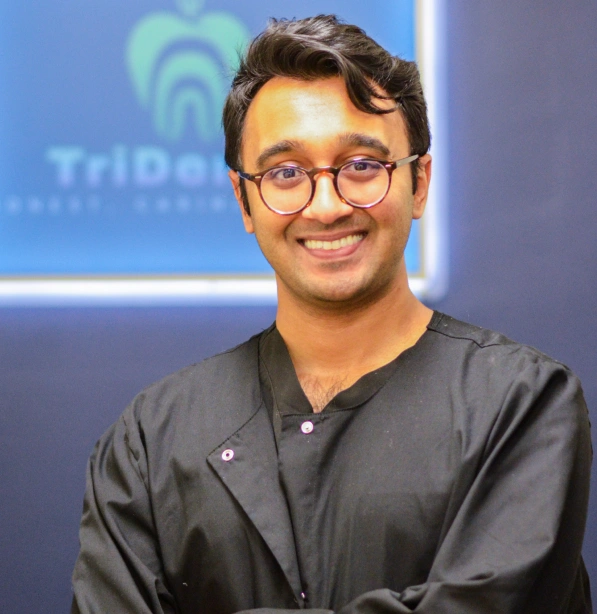
Missing a tooth can affect far more than your appearance. It can impact how you eat, speak, and even feel about yourself. Patients searching for Dental Bridges Waldorf want a reliable, lasting solution. At TriDental Waldorf, Dr. Ajay Reddy helps patients regain full function and a natural-looking smile.
A dental bridge is one of the most trusted restorative options in dentistry today. It literally bridges the gap left by one or more missing teeth. Understanding how they work can help you decide if this treatment is right for you.
What Is a Dental Bridge?
A dental bridge is a fixed prosthetic device that replaces one or more missing teeth. It consists of one or more artificial teeth, called pontics. These pontics are anchored by crowns placed on the natural teeth on either side of the gap.
Those supporting teeth are called abutment teeth. The bridge is bonded permanently in place. You brush and care for it much like your natural teeth. There are no removable parts to worry about.
Several types of bridges exist, including traditional, cantilever, and Maryland bridges. Dr. Reddy will recommend the best option based on your specific needs. Each type serves a slightly different purpose depending on the location of your missing tooth.
Why Replacing a Missing Tooth Matters
Many patients underestimate the impact of a single missing tooth. Over time, the surrounding teeth can shift toward the open space. This movement can lead to bite problems and increased wear on your remaining teeth.
Bone loss is another serious concern. When a tooth root is gone, the jawbone in that area begins to deteriorate. This can change the shape of your face over time. Acting quickly helps preserve your bone and overall oral health.
A missing tooth also affects your chewing ability. You may unconsciously avoid certain foods. That dietary restriction can impact your nutrition and overall health. Restoring that tooth brings back full function.
- Prevents neighboring teeth from shifting
- Maintains jawbone density in the treated area
- Restores proper chewing and speaking ability
- Improves the appearance of your smile
- Supports facial structure and prevents a sunken look
The Dental Bridge Process at TriDental Waldorf
Getting a dental bridge typically requires two appointments. During the first visit, Dr. Reddy prepares the abutment teeth. A small amount of enamel is removed so the crowns fit properly. Impressions are then taken of your teeth.
Those impressions are sent to a dental lab. The lab crafts your custom bridge to match your natural teeth. A temporary bridge protects your teeth while you wait. This usually takes one to two weeks.
At your second appointment, the permanent bridge is placed and adjusted. Dr. Reddy checks your bite carefully to ensure proper alignment. Once everything fits perfectly, the bridge is cemented into place. Most patients leave feeling completely comfortable.
- Initial consultation and examination with Dr. Reddy
- Abutment teeth are prepared and impressions taken
- Temporary bridge is placed while your custom bridge is made
- Permanent bridge is fitted, adjusted, and bonded in place
- Follow-up to confirm comfort and function
TriDental Waldorf uses modern dental technology to ensure precise impressions and accurate results. This reduces the chance of adjustments and speeds up your treatment. You get a better outcome in less time.
Dental Bridges vs. Other Tooth Replacement Options
Patients often ask how bridges compare to other options. Dental implants are another popular choice for tooth replacement. Implants replace the tooth root as well as the visible crown. However, they require surgery and a longer healing period.
Bridges are a great option when surgery is not preferred. They are also suitable when the neighboring teeth already need crowns. The entire process is faster than implant treatment. Many patients find bridges more accessible and straightforward.
If you are missing multiple teeth, dentures and partials may be worth exploring. They can replace many teeth at once. Dr. Reddy will review all your options with you during a consultation. There is no one-size-fits-all answer in restorative dentistry.
Caring for Your Dental Bridge
A well-maintained bridge can last 10 to 15 years or more. Daily brushing and flossing are essential. Special floss threaders help you clean under the pontic area. This removes plaque and food particles that can cause decay or gum disease.
Regular dental checkups are just as important. Dr. Reddy will examine the bridge and supporting teeth at each visit. Early detection of any issues protects your investment. Gum health also plays a major role in how long your bridge lasts.
Avoid chewing hard or sticky foods that can crack or dislodge the bridge. Do not use your teeth as tools to open packages. If you grind your teeth at night, mention this to Dr. Reddy. A night guard may be recommended to protect your restoration.
- Brush twice daily with a soft-bristle toothbrush
- Use a floss threader or water flosser to clean under the bridge
- Avoid biting hard objects like ice or hard candy
- Schedule regular cleanings at TriDental Waldorf
- Report any discomfort or looseness promptly
Is a Dental Bridge Right for You?
Not everyone is an immediate candidate for a bridge. Healthy abutment teeth are essential to support the restoration. If the neighboring teeth are weak or heavily decayed, other options may be more appropriate. Dr. Reddy will assess your full oral health before recommending any treatment.
Gum health also matters greatly. Active gum disease must be treated before placing a bridge. If you have concerns about gum health, learn more about gum disease treatment available at our practice. Addressing gum issues first leads to a more successful outcome.
Age is generally not a barrier to getting a bridge. Adults of all ages can benefit from this treatment. What matters most is having enough healthy bone and gum tissue. A thorough exam will give you a clear picture of your options.
Schedule a Consultation in Waldorf, MD
If you are dealing with a missing tooth, waiting only makes things harder. The sooner you act, the easier it is to restore your smile. Dr. Ajay Reddy and the team at TriDental Waldorf are ready to help. We make the process comfortable, clear, and patient-focused every step of the way.
We proudly serve patients throughout Waldorf and the surrounding Charles County communities. Our team takes time to explain your options without pressure. You deserve to fully understand your treatment before making any decisions. We are here to guide and support you through the entire process.
Restoring your smile with a dental bridge can be life-changing. It brings back your confidence, your comfort, and your ability to enjoy food fully. Take the first step toward a complete, healthy smile today. Book Now to schedule your appointment with our team.
Frequently Asked Questions
How long does a dental bridge last?
With proper care, a dental bridge can last 10 to 15 years or longer. Regular brushing, flossing, and dental checkups help extend the life of your bridge. Avoiding hard or sticky foods also protects it from damage.
Does getting a dental bridge hurt?
The procedure is performed under local anesthesia, so you should feel minimal discomfort during the appointment. Some sensitivity around the abutment teeth is normal for a few days after. Over-the-counter pain relievers are usually sufficient for any mild soreness.
Can a dental bridge be placed on the same day?
A traditional bridge typically requires two visits spaced one to two weeks apart. The first visit involves preparing the teeth and taking impressions. The second visit is for placing the permanent bridge once it has been crafted by the dental lab.
What happens to the bone under a dental bridge?
Unlike dental implants, a bridge does not replace the tooth root. This means some bone loss can still occur beneath the pontic over time. However, a bridge does prevent the surrounding teeth from shifting and helps maintain your bite alignment.
How do I clean under a dental bridge?
Cleaning under a bridge requires a floss threader, super floss, or a water flosser. These tools allow you to remove plaque and debris from beneath the pontic. Dr. Reddy’s team can demonstrate the best technique during your visit at TriDental Waldorf.