
Your crown just fell out — and your first instinct is probably panic. That reaction is completely understandable. Whether it happened at dinner, at work, or somewhere in between, losing a dental crown in Waldorf can feel like a dental emergency. The good news is that it usually is not life-threatening. With the right steps, you can protect your tooth and get the help you need quickly.
At TriDental Waldorf, Dr. Ajay Reddy and our team see this situation regularly. We want you to feel informed and calm — not overwhelmed. This guide walks you through exactly what to do right now, what to avoid, and when to call us for emergency care.
Why Crowns Fall Out — and Why It Matters in Waldorf
Crowns do not fall out randomly. There is almost always an underlying reason. Understanding why it happened helps you respond more effectively.
Common causes include cement failure over time, tooth decay underneath the crown, a cracked tooth structure, or biting down on something hard. In some cases, an older crown simply reaches the end of its lifespan. Most crowns last between 10 and 15 years with proper care.
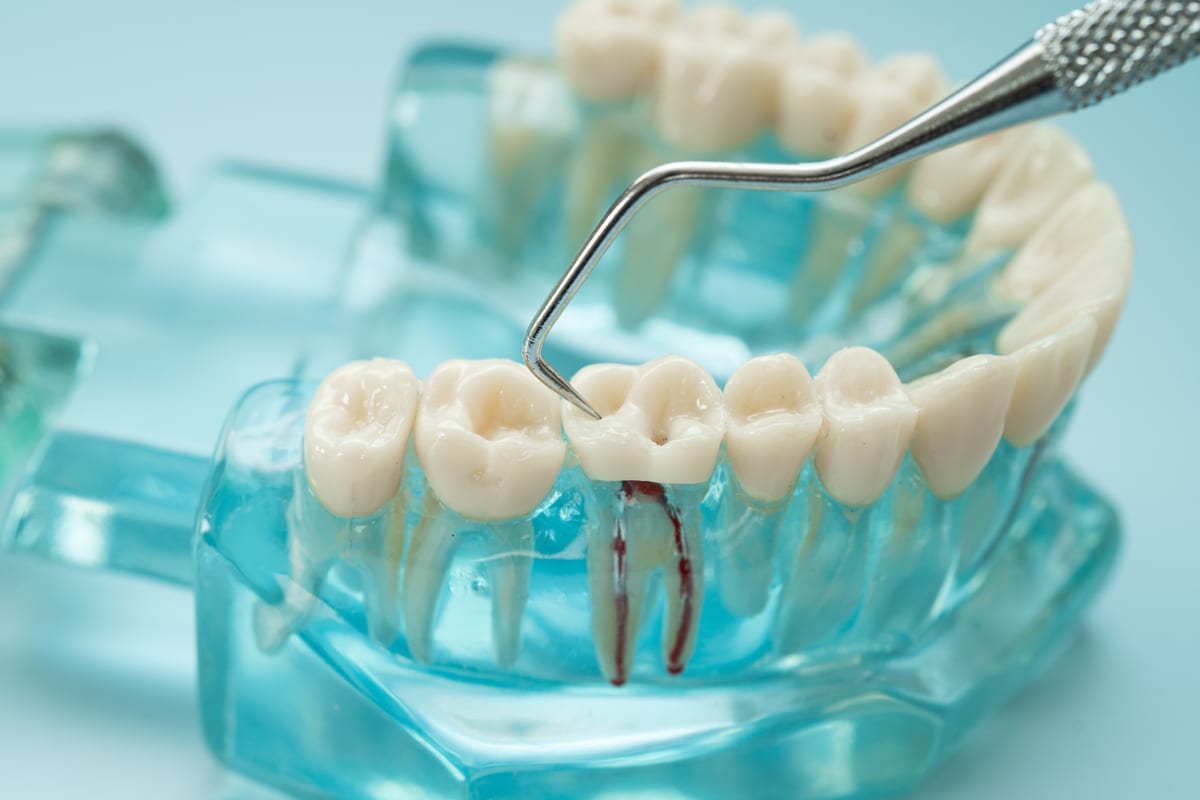
When a crown falls out, the exposed tooth underneath is vulnerable. The dentin layer — the inner structure of your tooth — is now exposed to bacteria, temperature changes, and pressure. This can cause sensitivity, pain, or even infection if left untreated. Acting quickly is important, even if you feel no immediate pain.
As part of our commitment to Family Dentistry Waldorf, we prioritize same-day or next-day appointments for situations like this whenever possible.
Your Crown Just Fell Out: What to Do Right Now in Waldorf
Stay calm and follow these steps immediately after your crown comes out. Acting carefully in the first few minutes can protect your tooth significantly.
- Find the crown: Pick it up carefully and rinse it gently with warm water. Do not scrub it.
- Inspect the crown and tooth: Look for cracks in the crown itself or any signs of decay on your tooth. If the crown is broken, do not try to reattach it.
- Temporarily reattach if possible: You can use dental cement from a pharmacy — brands like Dentemp are available at most drugstores. Apply a small amount inside the crown and gently seat it over the tooth.
- Avoid chewing on that side: Give that area a complete break until you see the dentist.
- Call TriDental Waldorf right away: Even if you feel fine, do not wait more than 24 to 48 hours to seek professional care.
Temporary cement is not a long-term fix. It is simply a bridge between now and your appointment. Never use household glue, super glue, or adhesives — these can permanently damage the crown and your tooth structure.
What Makes the Situation Worse — Avoid These Mistakes
Not everything that feels helpful actually is. Some common responses to a lost crown can create bigger problems down the line.
Eating hard, sticky, or crunchy foods is one of the worst things you can do. These can further fracture the exposed tooth or dislodge any temporary adhesive you have applied. Stick to soft foods and lukewarm liquids until your appointment.
Leaving the crown out entirely is another mistake people make. The exposed dentin is porous and sensitive. Bacteria can enter quickly. Even a loosely placed crown offers more protection than no crown at all.
- Do not use super glue or household adhesives — ever
- Do not eat on the affected side
- Do not ignore pain or swelling — these may signal infection
- Do not delay your dental appointment beyond 48 hours
- Do not try to reshape or trim the crown at home
If you notice swelling in your gum, jaw, or face — or if you develop a fever — these are signs of a potential infection. Contact us immediately. In some cases, an untreated exposed tooth can progress to a situation requiring Root Canal Therapy Waldorf patients may not have needed otherwise.
What to Expect When You Come In for Emergency Care
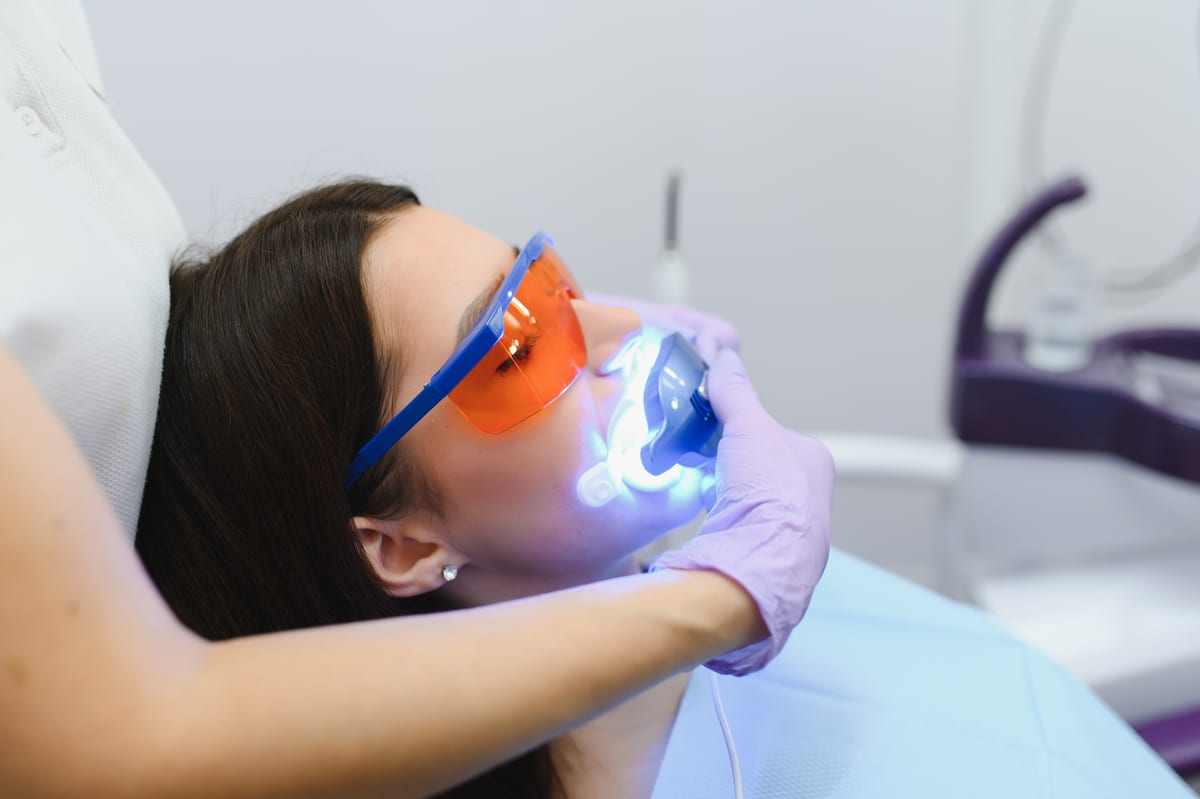
When you arrive at TriDental Waldorf, Dr. Reddy will assess the tooth and the crown before recommending next steps. The process is straightforward and designed to put you at ease.
First, we take a close look at the tooth underneath the crown. We check for decay, cracks, or structural damage that may have caused the crown to fail. X-rays may be taken to get a full picture of what is happening beneath the surface.
If the crown and tooth are both intact, re-cementing the existing crown is often possible. This is the simplest and most cost-effective outcome. However, if there is decay or structural damage, we may need to prepare the tooth again and create a new crown.
Here is a quick overview of what your visit might involve:
- Digital X-rays and visual examination of the tooth and crown
- Cleaning and preparing the tooth surface
- Re-cementing the existing crown or placing a temporary crown
- Scheduling a follow-up if a new permanent crown is needed
- Guidance on aftercare and what to watch for at home
Our goal is always to save your natural tooth whenever that is clinically possible. We work efficiently so you can leave feeling comfortable and protected.
How to Prevent This from Happening Again
Once your crown situation is resolved, a few habits can extend the life of your restoration significantly. Prevention is always easier than emergency treatment.
Avoid chewing ice, hard candies, or crusty breads on your crowned tooth. These habits put excessive force on restorations and can break the cement seal over time. If you grind your teeth at night, ask Dr. Reddy about a custom nightguard — grinding is a leading cause of crown failure.
Keep up with your regular checkups and cleanings. During these visits, we inspect the margins of your crown for early signs of loosening or decay underneath. Catching a problem early means a simple fix rather than an emergency situation.
Good oral hygiene around the crown also matters. Brush twice daily, floss carefully around the crown margins, and use a fluoride toothpaste. The tooth beneath the crown can still decay — protecting it is an ongoing responsibility.
Conclusion: Do Not Wait — We Are Here for You in Waldorf
A lost crown is uncomfortable and stressful, but it is very manageable with the right care. Knowing what to do right now makes all the difference. Protect the tooth, avoid damaging habits, use temporary cement if available, and contact our office as soon as possible. Dr. Ajay Reddy and the TriDental Waldorf team are ready to help you get through this quickly and comfortably. Book Now to schedule your appointment with our team.
Frequently Asked Questions
Is a fallen crown a dental emergency?
Yes, it should be treated urgently. The exposed tooth is vulnerable to bacteria, sensitivity, and further damage. Contact your dentist within 24 to 48 hours — sooner if you have pain or swelling.
Can I reattach my crown at home temporarily?
Yes, using over-the-counter dental cement like Dentemp is a safe short-term option. Never use super glue or household adhesives, as these can permanently damage the crown and your tooth. Home reattachment is temporary only — you still need to see your dentist promptly.
Will losing a crown require a root canal?
Not always. However, if the exposed tooth develops an infection or if the pulp becomes irritated, a root canal may become necessary. Seeing your dentist quickly significantly reduces that risk.
What if my crown is broken and cannot be reattached?
If the crown itself is cracked or broken, it will likely need to be replaced with a new one. Your dentist will assess the tooth underneath and determine the best treatment plan for your situation.
How long does it take to get a new crown?
At TriDental Waldorf, the process typically involves two appointments — one to prepare the tooth and place a temporary crown, and one to cement the final permanent crown. The timeline can vary depending on the dental laboratory used.