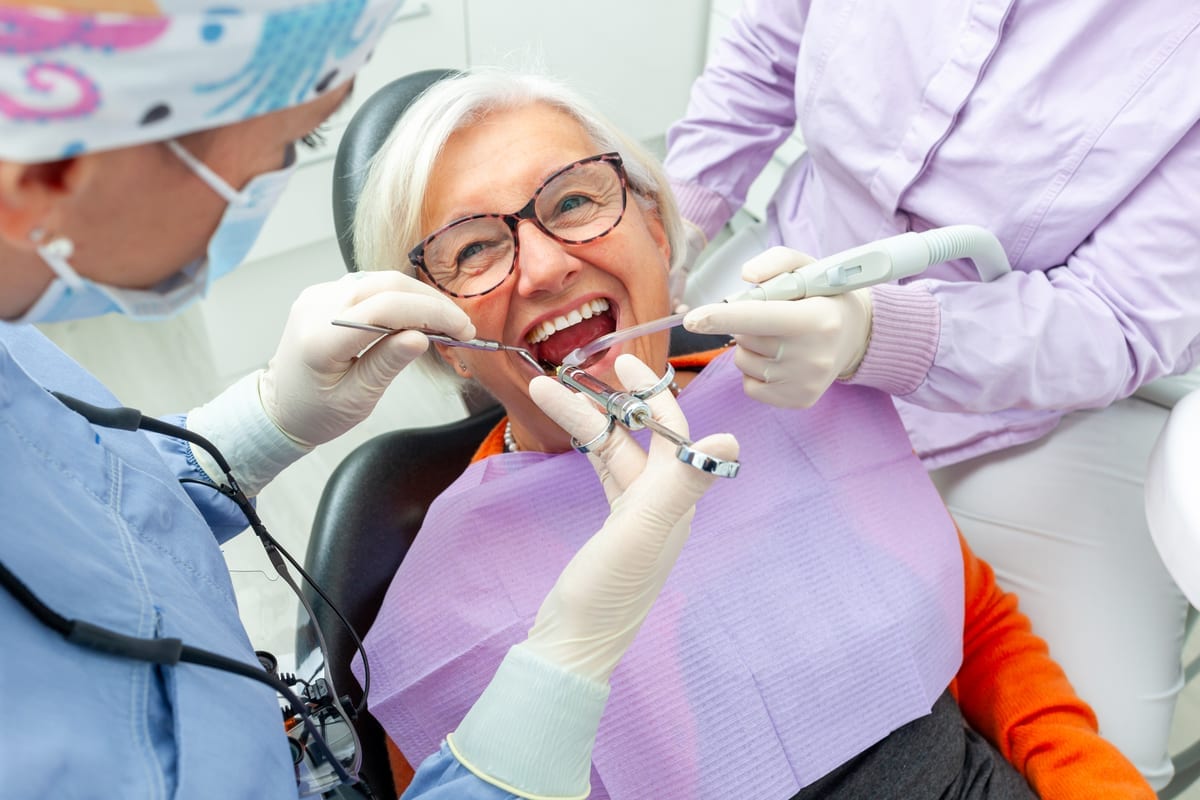

Getting a dental crown is one of the most common procedures at Family Dentistry Waldorf practices. Before your permanent crown arrives, you will wear a temporary one for one to three weeks. Knowing what to expect during this phase makes everything easier. This guide covers what to eat, how to clean your temporary crown, and what to do if something goes wrong — right here in Waldorf, MD.
What Is a Temporary Crown and Why Do You Need One?
A temporary crown protects your tooth while the dental lab crafts your permanent restoration. It holds your tooth’s shape and shields the exposed dentin underneath. Without it, your tooth could shift or become very sensitive. Think of it as a placeholder keeping everything stable until your final crown is ready.
Temporary crowns are made from acrylic or composite resin. They are not as strong as permanent porcelain or ceramic crowns. That is why Dr. Ajay Reddy and the team at TriDental Waldorf give patients specific care instructions. Following these tips helps you avoid problems and stay comfortable.
Most patients wear their temporary crown for about two to three weeks. During this time, your permanent crown is custom-made to match your bite and tooth color. Regular check-ins with your dentist keep the process on track.
What to Eat (and Avoid) With a Temporary Crown in Waldorf
Your diet is the most important factor during the temporary crown phase. Temporary crowns use a weaker cement than permanent ones. Eating the wrong foods can dislodge or crack them quickly. Making smart food choices protects your temporary restoration every day.
Here are foods that are safe to eat with a temporary crown:
- Soft bread and pasta
- Scrambled eggs and yogurt
- Mashed potatoes and soft vegetables
- Bananas, berries, and other soft fruits
- Fish and tender chicken
- Soup and smoothies
Now here are foods you should avoid while wearing your temporary crown:
- Sticky candy, caramel, and chewing gum
- Hard foods like nuts, chips, and raw carrots
- Chewy foods like bagels and tough meats
- Ice — never chew on ice
- Popcorn, which can wedge under the crown
- Very hot or very cold foods if sensitivity is an issue
Chewing on the opposite side of your mouth is also a smart habit. This simple change reduces pressure on the temporary crown significantly. Your tooth will thank you when the permanent crown appointment arrives.
How to Clean Your Temporary Crown Properly
Good oral hygiene does not stop because you have a temporary crown. In fact, keeping the area clean is critical for preventing gum inflammation. Bacteria build up fast around the gum line when you skip cleaning. A clean environment also ensures your permanent crown fits perfectly when it arrives.
Follow these cleaning steps every day:
- Brush gently — Use a soft-bristled toothbrush and brush around the crown carefully twice a day.
- Floss carefully — Slide floss in gently and pull it out to the side rather than snapping it upward. Snapping can pull the crown loose.
- Rinse with warm salt water — This soothes the gum tissue and reduces bacteria around the crown.
- Avoid whitening toothpaste — Abrasive ingredients can scratch or weaken the temporary material.
If your gums feel sore or swollen near the crown, rinse gently with salt water twice a day. Mild sensitivity after your crown preparation appointment is completely normal. Most sensitivity settles down within a few days. Contact TriDental Waldorf if soreness increases or does not improve.
What to Do If Your Temporary Crown Falls Off
Temporary crowns can fall off. This is more common than most patients expect. Do not panic — it does not mean something went wrong. Acting quickly and calmly is all you need to do.
Here is what to do right away:
- Keep the crown — do not throw it away.
- Rinse it gently with water to remove debris.
- Try to slide it back onto the tooth if it feels comfortable.
- Do not use household glue or adhesives on a crown.
- Call TriDental Waldorf as soon as possible to schedule a re-cementation visit.
In the meantime, avoid chewing on that side of your mouth. The exposed tooth can be sensitive to temperature and pressure. Over-the-counter dental cement, available at most pharmacies, can temporarily hold the crown in place. This is a short-term fix only — you still need to see Dr. Reddy promptly.
Leaving a tooth uncovered for more than a day or two can cause shifting or discomfort. Your tooth may also become more sensitive the longer it stays exposed. A quick visit to our Waldorf office gets everything back on track fast.
How Long Will You Wait for Your Permanent Crown?
Most patients wait between two and three weeks for their permanent crown. During this time, a dental laboratory crafts your crown to precise measurements. Modern digital scanning technology makes the fit more accurate than ever before. Dr. Ajay Reddy reviews each case carefully before approving the final restoration.
Some situations may require additional time. For example, if your crown procedure follows a Root Canal Therapy Waldorf treatment, the dentist may want the tooth to heal fully first. Complex bite adjustments can also extend the timeline slightly. Your care team will keep you informed every step of the way.
Patience during this phase pays off. A well-crafted permanent crown can last ten to fifteen years or longer with proper care. The temporary phase is short — the result is long-lasting.
Tips for Staying Comfortable During Your Temporary Crown Phase
Most patients in Waldorf do just fine during the temporary crown phase. A few simple habits make the experience much smoother. Small adjustments in your daily routine reduce the risk of problems significantly.
- Take over-the-counter pain relievers if post-procedure sensitivity bothers you.
- Avoid extreme temperatures in food and beverages for the first few days.
- Chew slowly and mindfully to protect the temporary crown.
- Skip vigorous mouthwash with alcohol, which can irritate sensitive gum tissue.
- Check in with TriDental Waldorf if anything feels off or unusual.
Your comfort is always the priority at TriDental Waldorf. Dr. Reddy and the team are here to answer questions between appointments. Never hesitate to reach out if you feel uncertain about something.
Ready for Your Permanent Crown? Visit TriDental Waldorf
The temporary crown phase is a small but important part of your dental crown journey. Eating soft foods, cleaning gently, and knowing what to do if the crown comes off keeps everything on track. Dr. Ajay Reddy and the TriDental Waldorf team are with you every step of the way. Book Now to schedule your appointment with our team.
Frequently Asked Questions
How long does a temporary crown usually last?
A temporary crown typically stays in place for two to three weeks. This gives the dental lab enough time to craft your permanent crown. Following your care instructions helps ensure the temporary crown stays secure until your next appointment.
Can I brush my teeth normally with a temporary crown?
You should brush gently around the crown using a soft-bristled toothbrush. Avoid brushing too aggressively near the gum line. Floss carefully by sliding the floss out sideways rather than snapping it upward, which can dislodge the crown.
What should I do if my temporary crown feels loose?
Contact TriDental Waldorf right away if your temporary crown feels loose. Avoid chewing on that side of your mouth until you are seen. Over-the-counter dental cement can provide very short-term support, but professional re-cementation is always necessary.
Is it normal for a tooth to be sensitive after crown preparation?
Yes, mild sensitivity after crown preparation is completely normal. Your tooth enamel has been reshaped, and the area needs a few days to settle. If sensitivity worsens or lasts more than a week, call your dentist to rule out any complications.
Can my temporary crown stain or discolor?
Yes, temporary crowns made from acrylic or composite resin can stain more easily than permanent crowns. Coffee, tea, and dark beverages may cause discoloration over time. This is not a long-term concern since the temporary crown will be replaced soon, but minimizing staining foods is a good habit.