
Not every smile concern needs the same fix. When patients in St. Charles ask about veneers vs bonding vs whitening, the answer almost always depends on the specific problem they want to solve. Chips, gaps, deep stains, and worn edges each respond differently to different treatments. This guide helps you understand which option matches your unique situation.
At TriDental Waldorf, Dr. Ajay Reddy takes a patient-first approach to cosmetic care. That means recommending what actually works — not simply what sounds impressive. Let’s walk through each option so you can make a confident, informed decision.
Understanding Your Smile Concern First
Before comparing treatments, identify your primary concern. That one detail often determines the best path forward. The four most common cosmetic complaints we hear from St. Charles patients are chips, gaps, staining, and worn edges.
Each of these has a different structural cause. A chip is physical damage to enamel. A gap is a spacing issue between teeth. Staining lives on or within the enamel surface. Worn edges result from grinding or acid erosion over time. Treating one like another rarely produces a lasting result.
Think about which category best describes your concern. Then use the sections below to match it to the right treatment. This is exactly the kind of conversation Dr. Reddy has with every new cosmetic patient at our Waldorf office.
Veneers vs Bonding vs Whitening: Which Fixes Your Smile in St. Charles for Chips and Cracks
Chipped teeth are among the most common reasons patients seek cosmetic care. Two treatments work well here: dental bonding and porcelain veneers. Whitening does nothing for physical damage.
Dental bonding uses a tooth-colored resin applied directly to the damaged area. It’s sculpted, hardened, and polished in a single visit. Bonding works beautifully for small chips at the edge of a tooth.
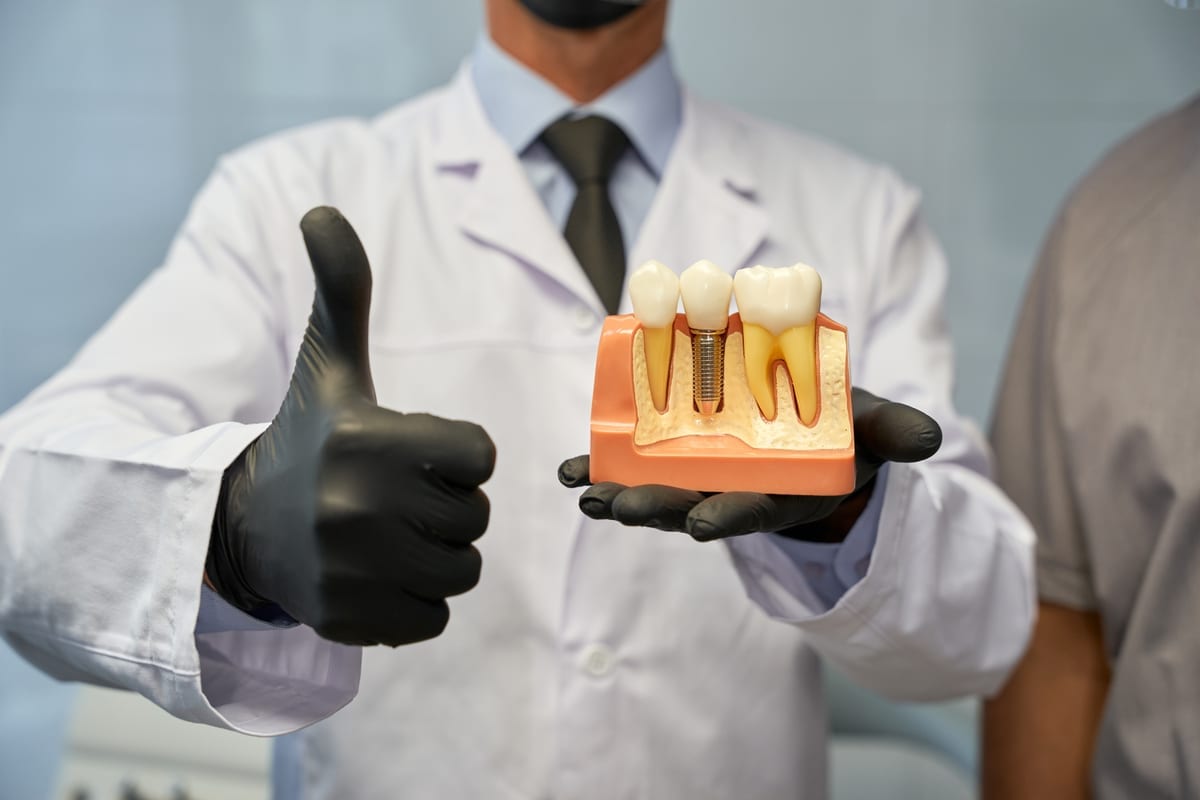
Porcelain veneers cover the entire visible front surface of a tooth. They’re custom-fabricated in a lab from ceramic material. Veneers are better suited when a chip is large, discolored, or accompanied by other cosmetic concerns on the same tooth.
- Bonding — best for small, isolated chips with minimal discoloration
- Veneers — best for larger chips or when multiple issues exist on one tooth
- Whitening — not effective for physical chips (doesn’t repair enamel)
If your chip is minor and your enamel is otherwise healthy, bonding is usually the faster, more conservative choice. Veneers require minimal enamel removal to place correctly. Discuss both options with Dr. Reddy to see which fits your tooth’s current condition.
Closing Gaps and Fixing Spacing Issues
Gaps between teeth — particularly the front two — are a very visible concern. Patients in St. Charles often ask whether whitening will help. It won’t. Whitening only addresses color, not position or spacing.
For small to moderate gaps, bonding is an excellent minimally invasive option. Dr. Reddy adds resin material to the sides of each tooth to close the space naturally. This takes one appointment and requires no removal of tooth structure.
Larger gaps may respond better to veneers or even orthodontic treatment like Invisalign. Veneers can be sized to close the space while also improving shape and color simultaneously. That dual benefit makes them popular with patients who want a complete smile refresh.
- Small gaps — dental bonding is fast and conservative
- Moderate to large gaps — veneers offer more coverage and shape control
- Spacing from bite issues — may need Invisalign before cosmetic treatment
- Whitening — has zero effect on gaps regardless of gap size
Our team also provides Family Dentistry services, so if a gap is connected to a bite or jaw concern, we can evaluate the full picture in one place. That integrated approach saves time and leads to better long-term outcomes.
Treating Deep Stains and Tooth Discoloration
Whitening is the star treatment for discoloration — but only in certain situations. Professional whitening removes surface stains and lightens intrinsic enamel color effectively. Coffee, tea, wine, and tobacco stains typically respond very well.
However, not all stains whiten equally. Tetracycline antibiotic staining, fluorosis, and internal discoloration from old injuries often resist whitening entirely. In those cases, bonding or veneers provide better, more reliable coverage.
Porcelain veneers offer the most complete color solution. Because they sit on top of the natural tooth, they completely mask any underlying discoloration. Patients with deep or uneven staining almost always get better results with veneers than whitening alone.
Bonding can also mask stains on individual teeth, especially when only one tooth is noticeably darker than the rest. It’s a cost-effective way to blend a single discolored tooth with the surrounding smile. The resin is shade-matched carefully to your natural teeth.
Repairing Worn, Shortened, or Uneven Edges
Worn edges are often the most overlooked cosmetic concern. Teeth that appear shorter than they used to, or edges that look flat and straight instead of naturally curved, are signs of wear. This commonly results from nighttime grinding or acidic diet habits.
Bonding works well for mild edge wear. Dr. Reddy builds the edge back up with resin to restore a natural length and contour. This approach is conservative and reversible if needed.
For more significant wear across multiple teeth, veneers provide stronger and more durable coverage. Porcelain is highly resistant to further wear. It also reflects light more naturally than resin, making the result look more lifelike.
Whitening does not address edge shape or length at all. If worn edges are your main concern, whitening alone will leave you disappointed. Addressing the wear first is essential — then brightening the overall shade can complement the restored edges beautifully.
It’s also worth noting that severely worn teeth sometimes signal an underlying dental issue. In some cases, a tooth that appears worn may actually need a Root Canal Therapy evaluation before any cosmetic work begins. Dr. Reddy always checks for structural health before recommending cosmetic treatment.
Which Treatment Is Right for You?
There’s no universal answer to the veneers vs bonding vs whitening question. The right choice for St. Charles patients depends on their specific concern, the severity, and their personal goals. Here’s a quick summary to guide your thinking:
- Whitening — best for general surface staining and overall brightness
- Bonding — best for chips, small gaps, mild wear, and single-tooth staining
- Veneers — best for multiple concerns on one tooth, large chips, severe staining, or a complete smile transformation
- Contouring — often combined with bonding to reshape minor irregularities
Many patients actually benefit from combining treatments. Whitening the back teeth while placing veneers on the front, for example, creates a cohesive result without covering every tooth. Dr. Reddy customizes every plan based on what the patient actually needs — not a one-size-fits-all package.
The best next step is a cosmetic consultation. In one short appointment, Dr. Reddy can evaluate your teeth, listen to your goals, and walk through which option gives you the most value. St. Charles patients can reach our Waldorf office easily and conveniently. Book Now to schedule your appointment with our team.
Frequently Asked Questions
How long does dental bonding last compared to veneers?
Dental bonding typically lasts 5 to 10 years with proper care, while porcelain veneers can last 10 to 20 years or longer. Veneers are more durable and stain-resistant because they’re made from ceramic rather than resin. Bonding may need periodic touch-ups, especially on teeth that experience heavy biting pressure.
Can I whiten my teeth after getting veneers or bonding?
Whitening agents do not change the color of porcelain veneers or bonding resin. If you want to whiten, it’s best to do so before your veneers or bonding are placed. That way, your new restorations can be shade-matched to your freshly whitened natural teeth for a seamless result.
Is dental bonding painful?
Dental bonding is generally painless and rarely requires anesthesia. The procedure involves applying resin directly to the tooth surface without drilling into the tooth structure. Most patients find it one of the most comfortable cosmetic procedures available.
Are porcelain veneers reversible?
Veneers require a small amount of enamel removal to ensure a proper fit, which means the process is not fully reversible. Once enamel is removed, a restoration is needed permanently. This is why Dr. Reddy discusses all options thoroughly before recommending veneers — they’re a long-term commitment with excellent long-term results.
How do I know if I need a dental exam before cosmetic treatment?
Yes — a dental health exam is always recommended before beginning any cosmetic procedure. Underlying issues like decay, gum disease, or structural damage must be addressed first. Cosmetic treatments applied over unhealthy teeth tend to fail prematurely, so Dr. Reddy always starts with a full evaluation.