
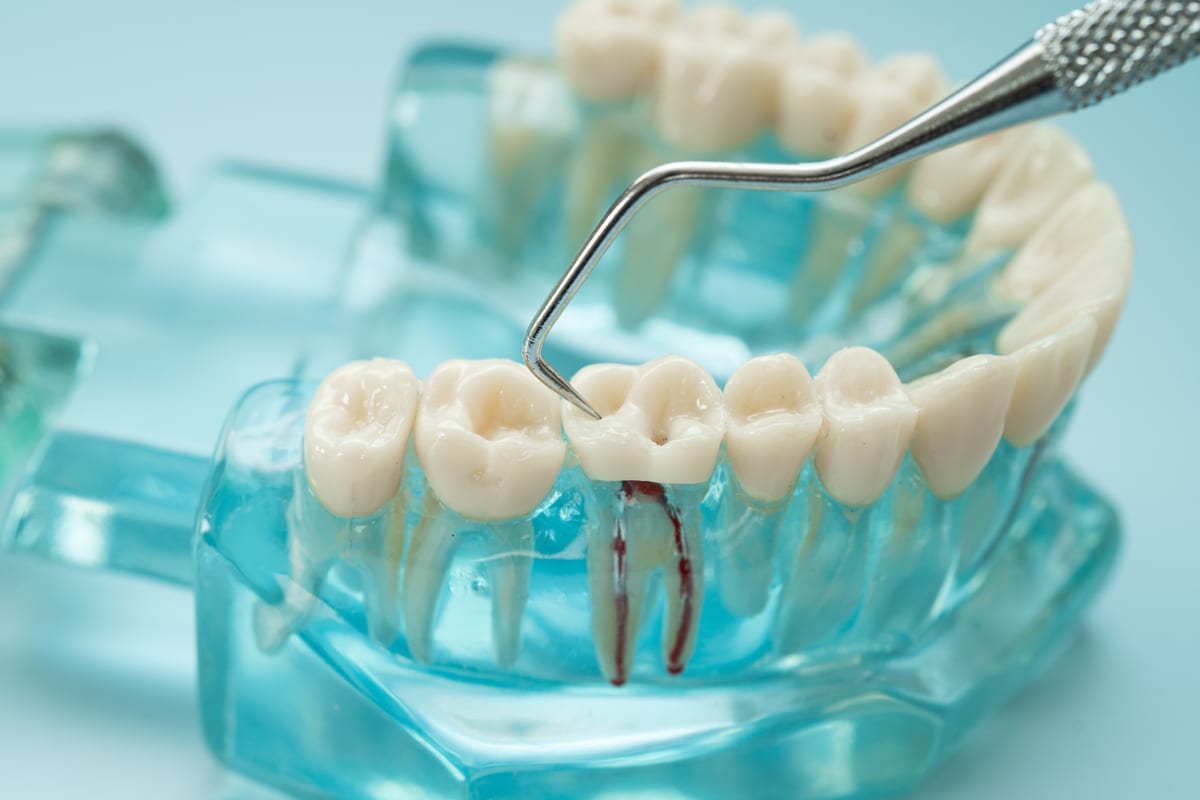
When a tooth becomes severely damaged or infected, patients in Waldorf face a big decision. Do you save the tooth with a root canal, or remove it entirely? Understanding Root Canal vs. Extraction: Which Actually Saves You Money Long-Term in Waldorf is more important than most people realize. The choice you make today can affect your oral health, your appearance, and your wallet for years to come. At TriDental Waldorf, Dr. Ajay Reddy helps patients weigh both options honestly.
Root Canal vs. Extraction: Understanding the Upfront Costs
Many patients assume tooth extraction is the cheaper option. On the surface, it often is. Extraction typically costs less than a root canal combined with a crown. However, upfront cost is only part of the picture.
A root canal preserves your natural tooth. That means no need to replace the missing tooth afterward. With extraction, most dentists strongly recommend replacing the missing tooth to prevent bone loss and shifting teeth.
Replacement options — like dental implants, bridges, or dentures — add significant cost after extraction. When you factor in replacement, extraction often costs more overall. Patients who skip tooth replacement face different long-term dental problems that become expensive to treat.
Long-Term Health Impact: Why Keeping Your Natural Tooth Matters
Your natural tooth does more than help you chew. It stimulates the jawbone and keeps neighboring teeth aligned. When a tooth is extracted and not replaced, the bone beneath it begins to shrink. This process is called bone resorption.
Bone loss can change the shape of your face over time. It can also make future dental implants more complicated or expensive. Neighboring teeth often shift into the gap, causing bite problems and additional dental work.
A root canal, on the other hand, preserves the natural root. That root continues to stimulate the jawbone and maintain your facial structure. This is one of the most significant long-term advantages of choosing Root Canal Therapy Waldorf over extraction.
- Natural teeth preserve jawbone density
- Proper alignment of surrounding teeth is maintained
- Chewing function remains strong and balanced
- Facial structure is supported over the long term
- No need for prosthetic replacements or secondary procedures
When Extraction Is the Right Choice
Root canals are not always the answer. Some teeth are simply too damaged to save. In those cases, extraction is the medically appropriate option — and the smarter financial decision too.
Extraction makes sense when the tooth has severe fractures that extend below the gumline. It is also appropriate when infection has destroyed too much of the tooth structure. Teeth with extreme bone loss from gum disease may also be better candidates for removal.
Dr. Ajay Reddy always evaluates each patient individually. He uses X-rays and a thorough clinical exam to determine whether the tooth can realistically be saved. Honest, transparent guidance is a core value of the Family Dentistry Waldorf approach at TriDental Waldorf.
- Tooth is cracked below the gumline
- Infection has destroyed most of the tooth structure
- Advanced bone loss makes the tooth unstable
- The tooth has already undergone multiple failed treatments
- Severe crowding requires strategic removal for orthodontic reasons
Root Canal vs. Extraction: Recovery and Daily Life Considerations
Recovery time is another important factor when comparing these two options. Most patients return to normal activity within a day or two after a root canal. Discomfort is usually mild and managed with over-the-counter pain relievers.
Extraction recovery varies depending on the complexity of the procedure. Simple extractions heal relatively quickly. Surgical extractions, especially for impacted teeth, take longer and involve more post-operative care.
After extraction, patients must also allow adequate healing time before receiving an implant or bridge. That recovery period can stretch the overall treatment timeline to several months. A root canal with a crown, by contrast, is typically completed in one or two visits.
Making the Smartest Financial Decision for Your Smile in Waldorf
Here is a simple way to think about the total cost comparison. A root canal plus a dental crown preserves your tooth and requires no follow-up replacement. That is often the more cost-effective path when the tooth is restorable.
Extraction followed by an implant involves the cost of the extraction, the implant post, the abutment, and the crown — often spread across multiple visits over several months. That total can be significantly higher than a root canal.
Extraction without replacement carries its own hidden costs: bone grafting needs, orthodontic issues, and increased risk of cavities in shifted teeth. Every patient’s situation is unique, but the math often favors saving the tooth when possible.
If you are facing this decision in Waldorf, the best step is a consultation with Dr. Ajay Reddy. He will explain your specific options clearly so you can make an informed choice. Book Now to schedule your appointment with our team.
Frequently Asked Questions
Is a root canal more expensive than an extraction?
A root canal combined with a crown typically costs more upfront than a simple extraction. However, when you factor in the cost of replacing an extracted tooth — through implants, bridges, or dentures — extraction often becomes the more expensive option long-term.
Does tooth extraction cause bone loss?
Yes. After a tooth is removed, the jawbone in that area gradually shrinks because it no longer receives stimulation from the tooth root. This bone loss can affect facial structure and complicate future dental procedures if not addressed promptly.
How long does a root canal procedure take?
Most root canal treatments are completed in one to two appointments. Each visit typically lasts between 60 and 90 minutes. Modern techniques have made the procedure much more comfortable and efficient than many patients expect.
When is extraction the better choice over a root canal?
Extraction is recommended when a tooth is too severely damaged, infected, or structurally compromised to be saved. Teeth with cracks extending below the gumline or advanced bone loss are common candidates for extraction rather than root canal treatment.
Can I wait to decide between a root canal and extraction?
Delaying treatment is generally not advisable. A tooth infection can spread to surrounding teeth, the gums, and even the jawbone. The sooner you consult with a dentist, the more options you are likely to have available to you.