Many patients in Waldorf are eager to brighten their smiles — but sensitivity stops some from trying. Understanding why teeth whitening sensitivity happens and how to prevent it in Waldorf is the first step. At TriDental Waldorf, Dr. Ajay Reddy helps patients whiten safely and comfortably. You deserve a brighter smile without the pain.
Tooth sensitivity after whitening is very common. It does not mean something is wrong. With the right approach, most patients manage it well. This guide explains the causes, the solutions, and what you can do at home.
Why Teeth Whitening Causes Sensitivity in the First Place
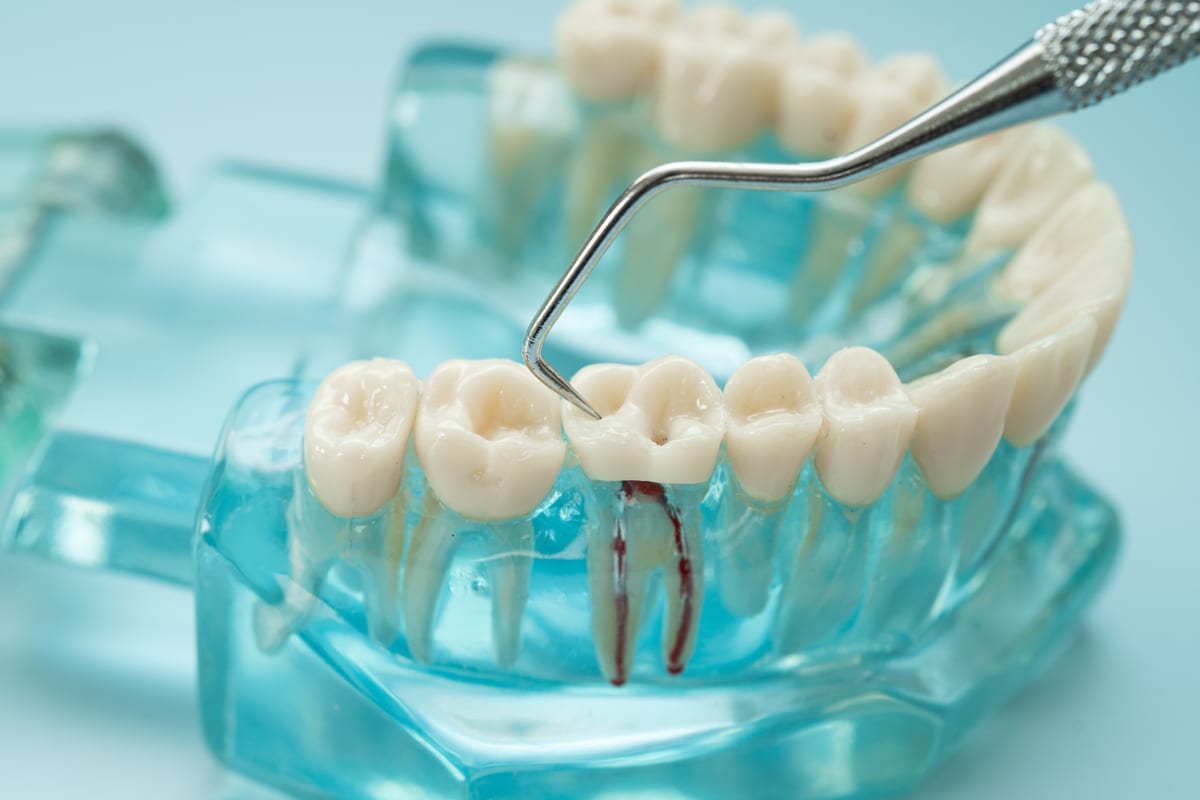
Whitening products use peroxide-based gels to break up stains. These gels temporarily open tiny pores in your enamel, called dentinal tubules. When those tubules are exposed, temperature changes and pressure trigger nerve signals. That is what creates the sharp, temporary sensitivity many people feel.
Your enamel thickness plays a role too. Thinner enamel means less protection for the nerves underneath. Patients with naturally thinner enamel tend to experience more discomfort. Pre-existing gum recession can also increase sensitivity during treatment.
At-home whitening kits often use higher concentrations than needed. Without professional guidance, patients sometimes overuse strips or trays. Overuse causes prolonged enamel exposure and more intense sensitivity. This is one major reason professional whitening is safer for most people.
It is also worth noting that not all sensitivity is whitening-related. If you already experience sensitivity before whitening, underlying issues may be present. Conditions like cracked teeth or decay can make whitening uncomfortable. A dental exam before treatment helps rule out these causes.
How Dr. Ajay Reddy Minimizes Sensitivity at TriDental Waldorf
Professional whitening at TriDental Waldorf is carefully controlled. Dr. Ajay Reddy evaluates your teeth before recommending any whitening option. This ensures you start with a plan suited to your enamel and sensitivity level. Personalized care makes a real difference in your comfort.
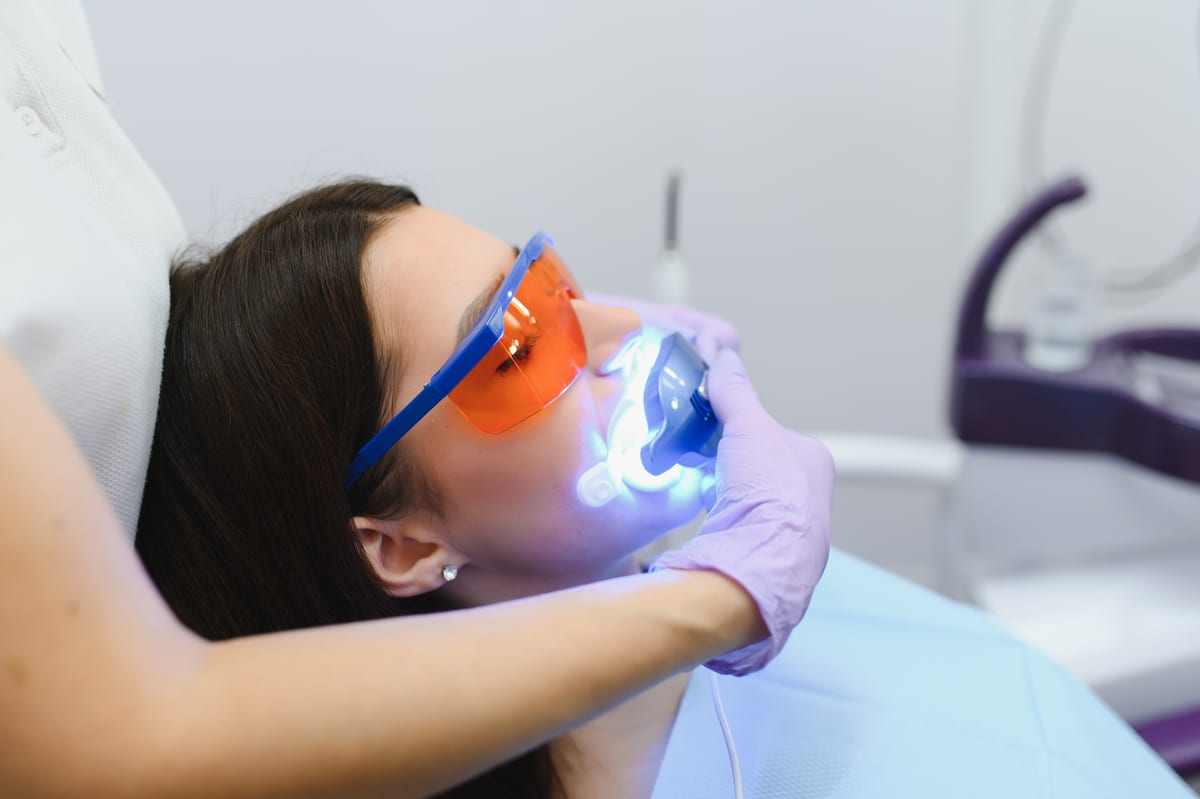
In-office whitening uses professional-grade gels applied precisely. Dr. Reddy monitors application time closely to avoid overexposure. Protective barriers guard your gums throughout the process. This reduces the risk of gum irritation alongside enamel sensitivity.
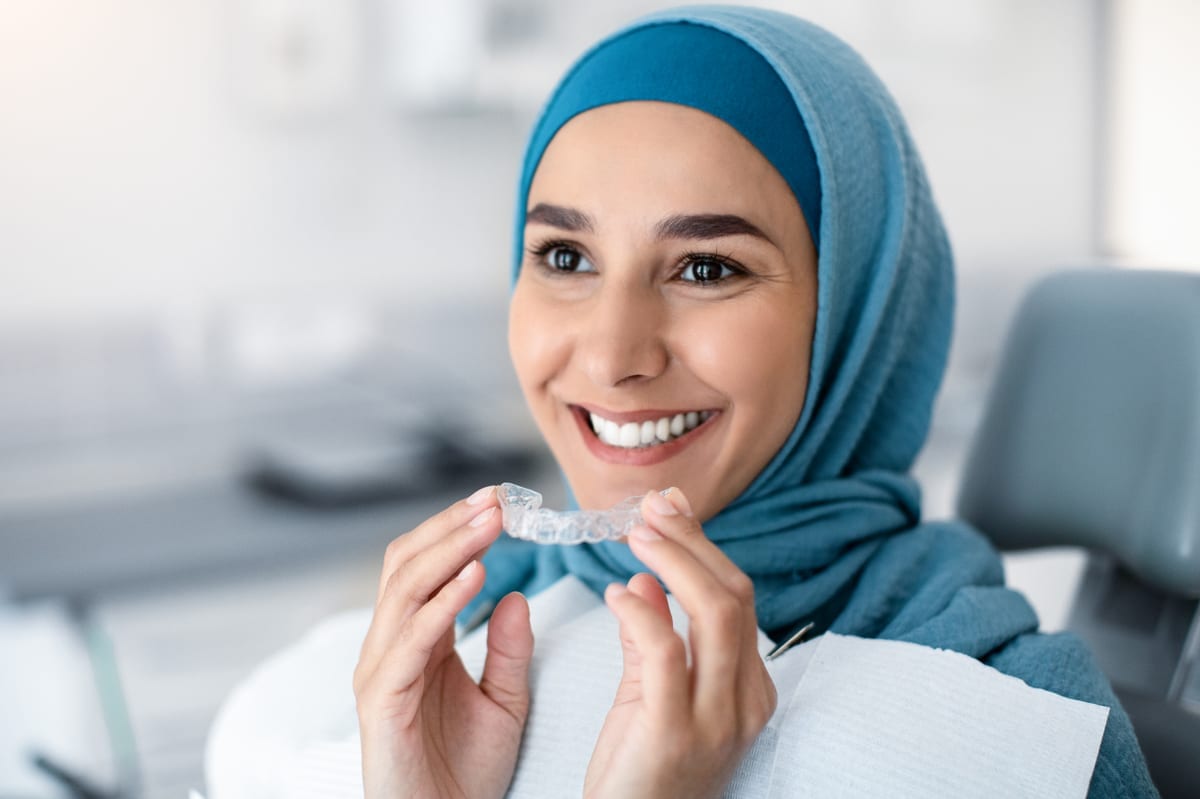
Custom-fitted whitening trays are another option for qualified patients. These trays fit snugly and prevent gel from leaking onto soft tissue. Leaking gel is a common cause of gum sensitivity with store-bought kits. A precise fit protects you while delivering consistent results.
Lower-concentration gels used over more sessions can also help. This gradual approach achieves excellent results with less discomfort. It is often the best option for patients with a history of sensitivity. Dr. Reddy discusses all options during your consultation.
What You Can Do at Home to Prevent Whitening Sensitivity in Waldorf
Preparation before whitening reduces how much sensitivity you feel. Start using a sensitivity toothpaste two weeks before your treatment. These toothpastes contain potassium nitrate or stannous fluoride. Both ingredients calm the nerves inside your teeth over time.
Here are practical steps Waldorf patients can take before and after whitening:
- Switch to a sensitivity toothpaste at least two weeks before treatment
- Avoid very hot or very cold foods and drinks on treatment days
- Use a soft-bristle toothbrush to reduce enamel abrasion
- Ask Dr. Reddy about fluoride gel application after whitening
- Take an over-the-counter pain reliever as directed if sensitivity is uncomfortable
- Avoid acidic foods like citrus or vinegar for 48 hours after whitening
After whitening, your enamel pores begin to remineralize naturally. This process takes about 24 to 48 hours. Keeping up with fluoride use during this window speeds remineralization. Your sensitivity should decrease significantly within two days.
If sensitivity persists beyond 48 hours, contact your dentist. Prolonged sensitivity may indicate an underlying issue. It is always better to have it evaluated than to ignore it. The team at TriDental Waldorf is easy to reach when questions arise.
Why Teeth Whitening Sensitivity Prevention Waldorf Patients Should Know About Existing Dental Health
Your overall dental health directly affects your whitening experience. Patients with untreated gum disease often experience more sensitivity. Inflamed gum tissue is more reactive to whitening agents. Addressing gum health before whitening is always recommended.
Cavities can make whitening painful and worsen tooth damage. Whitening gel entering a cavity irritates the nerve directly. This is why a full dental exam is essential before starting any whitening. Our Family Dentistry Waldorf services include comprehensive exams that catch these issues early.
Root sensitivity is another concern for some patients. If your gum line has receded, the root surface may be exposed. Roots do not have an enamel layer protecting them. Whitening agents on exposed roots cause sharp, intense sensitivity.
In some cases, patients need other treatments before whitening is appropriate. For example, a patient with a severely damaged tooth may need a crown first. Patients dealing with deep infection may require Root Canal Therapy Waldorf before whitening is safe. Dr. Reddy takes a comprehensive view of your oral health before any cosmetic treatment.
Professional vs. Store-Bought Whitening: What Waldorf Patients Should Know
Store-bought whitening kits are widely available and affordable. However, they come with real limitations for sensitive patients. The trays are not custom-fitted, which leads to uneven gel distribution. Gum exposure to the gel is a frequent side effect.
Professional whitening offers several key advantages over drugstore options:
- Custom trays designed precisely for your teeth reduce gel overflow
- Professional-strength gels are applied under controlled conditions
- Desensitizing agents can be applied before and after treatment
- Dr. Reddy monitors your response throughout the entire process
- Results are more even and longer-lasting than most OTC products
Over-the-counter strips also pose a risk of overuse. Some patients apply them more often than recommended to speed up results. This extended exposure increases both sensitivity and enamel damage risk. Professional guidance removes the guesswork entirely.
The investment in professional whitening pays off in comfort and results. Many patients who struggled with sensitivity using store kits do well under professional care. Dr. Reddy adjusts concentration and timing specifically for you. That level of customization simply is not possible with a box kit.
Conclusion: Whiten Comfortably With Help From TriDental Waldorf
Teeth whitening sensitivity is manageable when you have the right support. Understanding why it happens helps you take smart preventive steps. Professional care from Dr. Ajay Reddy at TriDental Waldorf makes the entire experience safer and more comfortable. Waldorf patients do not have to choose between a bright smile and pain-free teeth.
Preparation, personalized treatment, and follow-up care all matter. Whether you are a new patient or returning for a checkup, we are here to help. Your whitening journey should feel exciting, not intimidating. Book Now to schedule your appointment with our team.
Frequently Asked Questions
Is teeth whitening sensitivity permanent?
No, whitening sensitivity is almost always temporary. Most patients notice it fades within 24 to 48 hours after treatment. Using a sensitivity toothpaste and avoiding extreme temperatures helps it resolve faster. If sensitivity lasts longer than a few days, contact Dr. Ajay Reddy at TriDental Waldorf for an evaluation.
Can I whiten my teeth if I already have sensitive teeth?
Yes, many patients with sensitive teeth whiten successfully with the right approach. Dr. Reddy recommends a dental exam first to identify any underlying causes of sensitivity. Using lower-concentration gels over more sessions is often the safest method. Desensitizing treatments before and after whitening also help significantly.
How long does professional teeth whitening last in Waldorf?
Professional whitening results typically last one to three years depending on your habits. Avoiding staining foods and drinks like coffee, red wine, and tobacco helps results last longer. Touch-up treatments every six to twelve months keep your smile looking its best. Dr. Reddy can recommend a maintenance plan during your visit.
Are at-home whitening kits from the dentist safer than store-bought kits?
Yes, dentist-dispensed at-home kits use custom-fitted trays and professionally selected gel concentrations. This reduces gum exposure and delivers more consistent results than generic strips. Dr. Reddy provides full instructions and follow-up support with every kit. This guidance makes a meaningful difference in both safety and comfort.
What should I avoid eating after a whitening treatment?
For the first 48 hours after whitening, avoid dark-colored and acidic foods and drinks. This includes coffee, tea, red wine, tomato sauce, citrus fruits, and dark berries. Your enamel pores are temporarily more open during this remineralization window. Sticking to lighter foods helps prevent new stains from setting in immediately after treatment.