One of the most common questions we hear at TriDental Waldorf is simple: how long do dental implants actually last? The honest answer is exciting. With proper care, dental implants can last 25 years or longer — and many patients enjoy them for a lifetime. If you are considering this investment in Saint Charles, MD, understanding what drives implant longevity is essential. This guide breaks down everything you need to know.
Why Dental Implants Last 25+ Years — and Sometimes a Lifetime
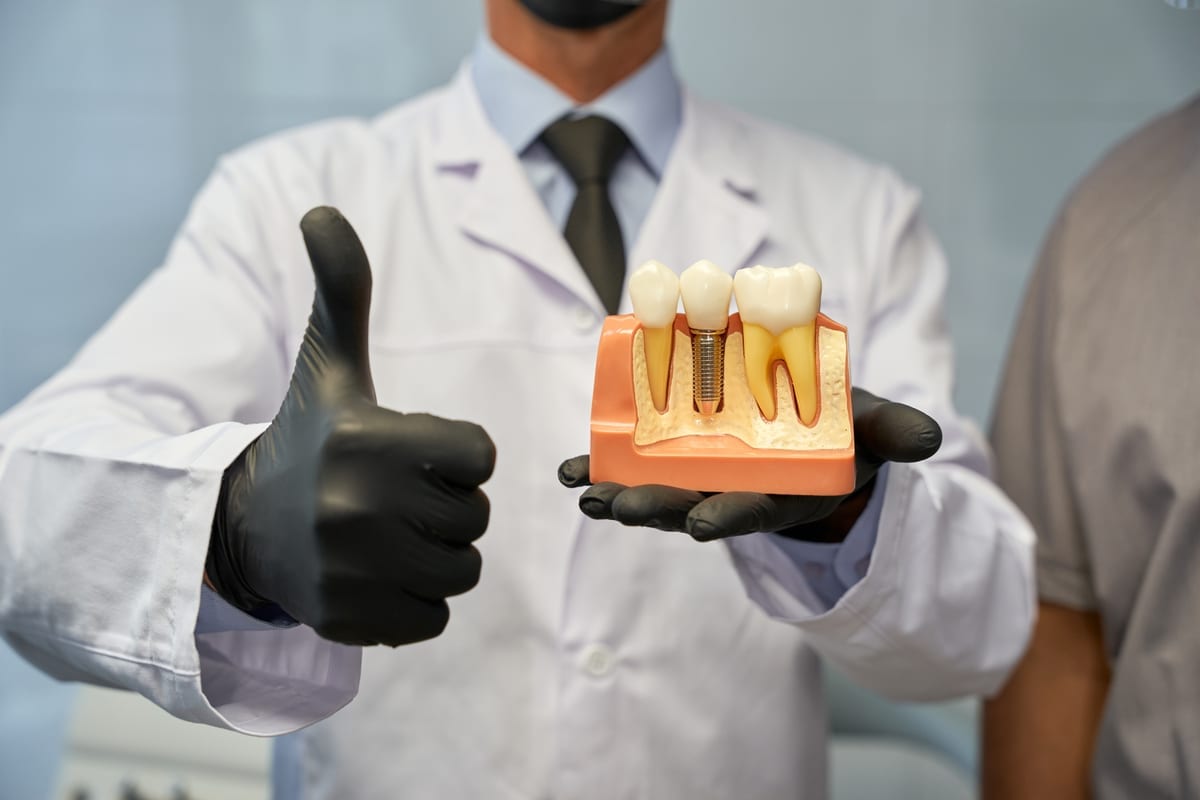
Dental implants are unique among tooth replacement options. They are made from titanium, a biocompatible metal that fuses directly with your jawbone. This process, called osseointegration, creates a stable and permanent foundation. No other tooth replacement solution bonds with your body quite like an implant does.
Compare this to dentures or bridges. Both options typically need replacement every 5 to 15 years. Implants, on the other hand, are designed to be permanent. The titanium post itself rarely fails when placed correctly and cared for properly. The crown on top may need replacement after 10 to 15 years, but the implant beneath can last indefinitely.
Studies consistently show high long-term success rates for dental implants. Research published in peer-reviewed dental journals reports survival rates above 90% at the 25-year mark. That makes implants one of the most durable restorative options in modern dentistry.
Factors That Shorten Implant Lifespan — What Saint Charles Patients Should Know
Not every implant lasts 25 years. Certain habits and health conditions can significantly reduce longevity. Understanding these risks helps you protect your investment from day one.
Here are the most common factors that shorten implant lifespan:
- Smoking and tobacco use — Tobacco restricts blood flow and slows healing after placement. Smokers face a much higher risk of implant failure.
- Uncontrolled gum disease — Bacteria that damage gums can also attack the bone around your implant. This condition is called peri-implantitis.
- Poor oral hygiene — Skipping brushing and flossing allows plaque to build up around the implant site.
- Teeth grinding (bruxism) — Chronic grinding places excessive force on the implant and crown, accelerating wear.
- Uncontrolled diabetes — High blood sugar impairs healing and increases infection risk after surgery.
- Skipping dental checkups — Small problems go undetected without regular professional monitoring.
If you have any of these risk factors, talk openly with Dr. Ajay Reddy before your procedure. Many risks can be managed with the right treatment plan. For example, active gum disease should be treated before implant placement to give you the best possible outcome.
How to Make Your Dental Implant Last a Lifetime — Proven Strategies
The good news is that most factors affecting implant longevity are within your control. Small daily habits make a massive difference over time. Think of your implant like any long-term investment — consistent maintenance pays off.
Follow these proven strategies to extend your implant’s lifespan:
- Brush twice daily with a soft-bristled toothbrush and non-abrasive toothpaste.
- Floss daily around the implant crown to remove bacteria from the gumline.
- Use an antibacterial mouthwash to reduce bacterial load in your mouth.
- Visit your dentist every six months for professional cleanings and implant checks.
- Wear a nightguard if you grind your teeth during sleep.
- Quit smoking or avoid tobacco products entirely.
- Eat a balanced diet rich in calcium and vitamin D to support bone health.
These habits are not complicated. Most of them are things you should already be doing as part of general oral care. The difference with implants is that consistency truly matters. Skipping your routine even occasionally creates opportunities for bacteria to cause damage.
At TriDental Waldorf, Dr. Ajay Reddy also connects patients with supportive care like Family Dentistry Saint Charles services to keep the whole family on track with preventive care. A healthy oral environment around your implant is the single most important factor in its long-term success.
The Role of Professional Care in Long-Term Implant Success
Home care alone is not enough. Professional dental visits are a non-negotiable part of making your implant last. Your dentist can spot early warning signs that you would never notice on your own.
During routine visits, Dr. Reddy checks for bone loss around the implant, examines the crown for wear, and evaluates gum tissue health. Catching a small problem early can prevent implant failure later. This is why consistent six-month checkups are so strongly recommended.
Gum disease is one of the biggest threats to implant longevity. If you are showing early signs of gum disease, treatment is available right here in Waldorf. Keeping gum tissue healthy protects the bone that anchors your implant in place.
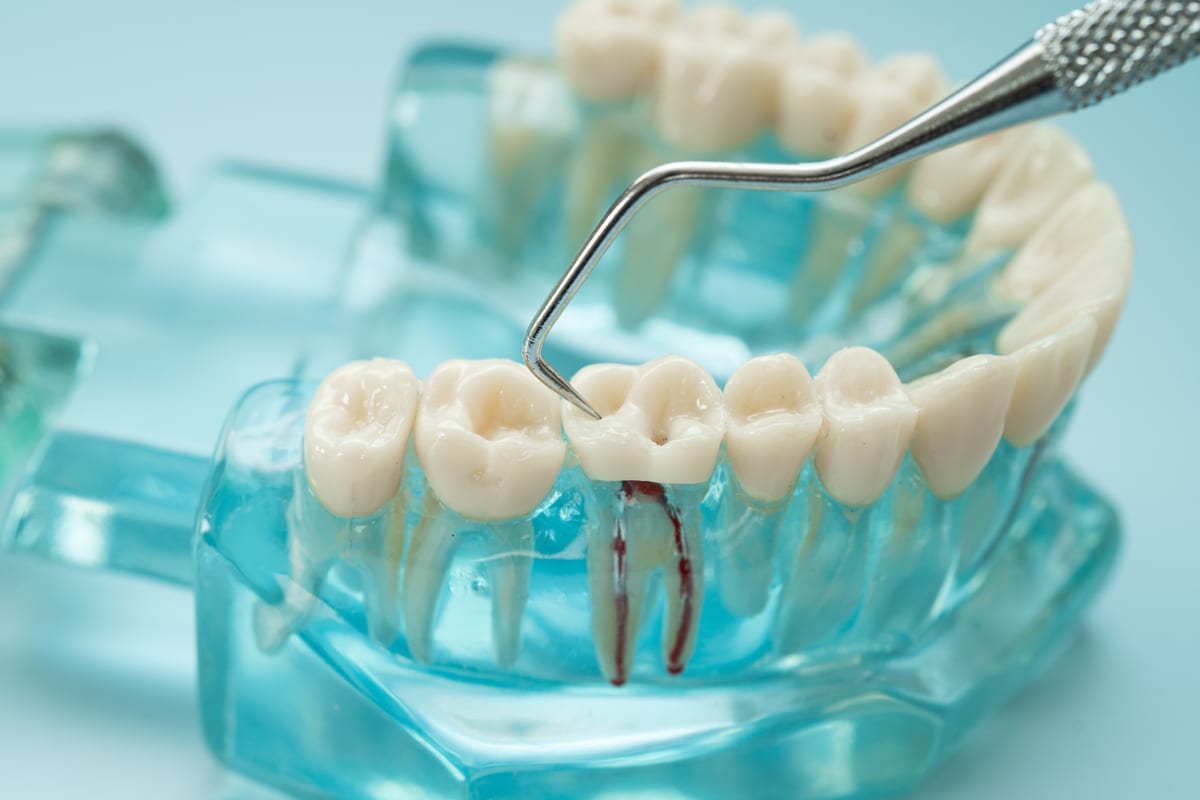
Some patients also have underlying dental needs that affect implant success. For example, a badly damaged neighboring tooth may eventually need care. In those situations, services like Root Canal Therapy Saint Charles can preserve surrounding teeth and protect the overall health of your smile. Implant success rarely exists in isolation — your entire oral health matters.
Is a Dental Implant Worth the Investment in Saint Charles?
Dental implants often have a higher upfront cost than other tooth replacement options. But when you calculate the long-term value, the math looks very different. Dentures and bridges require replacements, adjustments, and ongoing maintenance costs over the decades.
An implant that lasts 25 to 30 years — or longer — spreads that initial investment across an entire lifetime of confident smiling. You also avoid the bone loss that occurs with missing teeth. Bone loss changes your facial structure over time and can require additional procedures to correct.
Beyond the financial angle, implants restore full function. You can eat the foods you love, speak clearly, and smile without worry. That quality-of-life improvement is difficult to put a price on.
For Saint Charles residents, TriDental Waldorf offers experienced implant placement under the care of Dr. Ajay Reddy. Our team takes time to evaluate each patient individually and create a long-term plan for lasting results.
Frequently Asked Questions
How long do dental implants typically last?
With proper care and maintenance, dental implants can last 25 years or longer. Many patients keep their implants for a lifetime. The titanium post rarely fails, though the crown on top may need replacement after 10 to 15 years of normal use.
What is the most common reason dental implants fail?
Peri-implantitis — a form of gum disease around the implant — is one of the most common causes of implant failure. Poor oral hygiene, smoking, and uncontrolled systemic conditions like diabetes also significantly increase the risk of failure.
Can I get a dental implant if I have gum disease?
Active gum disease should be treated before implant placement. Placing an implant into an infected environment dramatically increases the risk of failure. Dr. Ajay Reddy will evaluate your gum health first and recommend appropriate treatment before proceeding.
Do dental implants require special cleaning or maintenance?
Dental implants do not require special products in most cases. Brush twice daily, floss around the implant, and use an antibacterial rinse. Regular professional cleanings every six months are essential to monitor the implant and remove any buildup around the gumline.
How do I get started with dental implants at TriDental Waldorf?
The first step is a comprehensive consultation with Dr. Ajay Reddy. He will review your oral health, take any necessary imaging, and discuss whether implants are right for you. Book Now to schedule your appointment with our team.